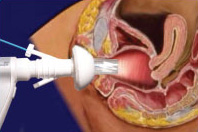
Pelvic Tilt And it’s Types:

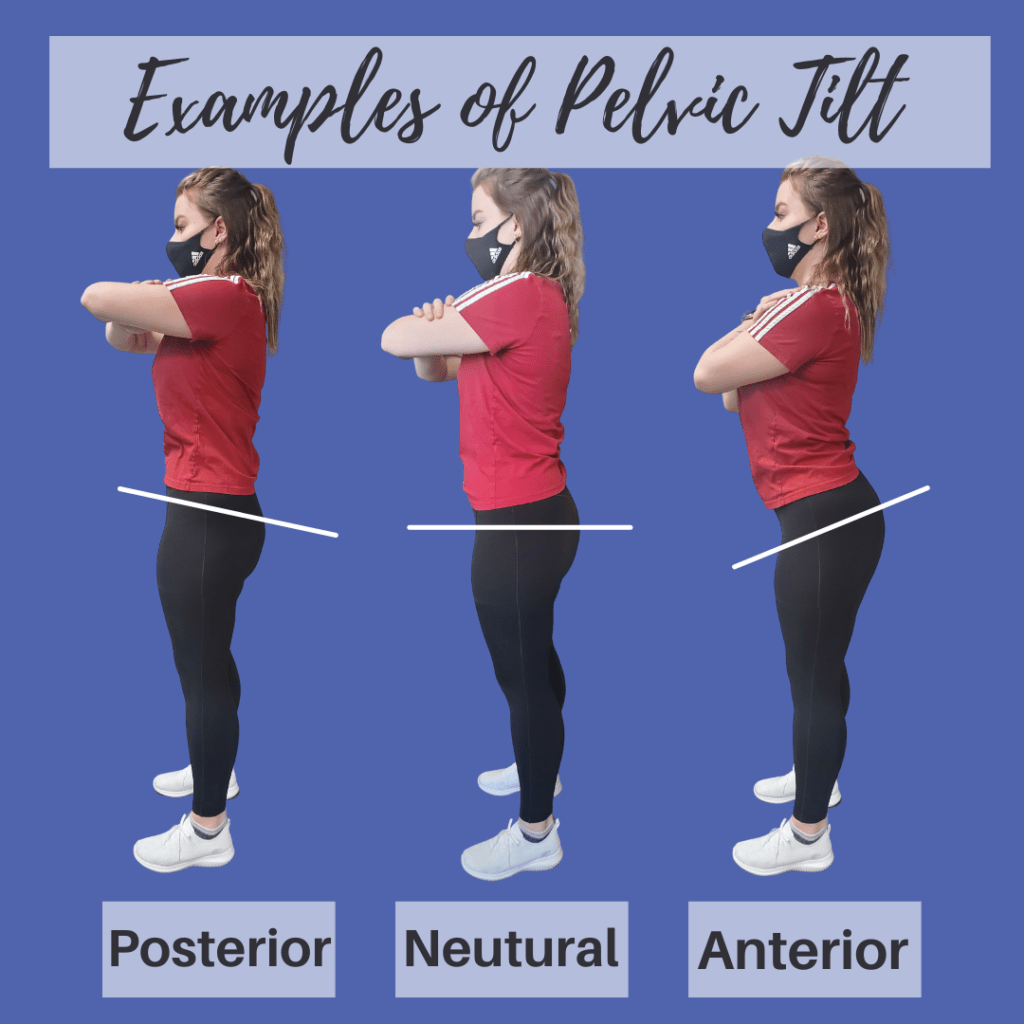
Following are the definitions regarding this terminology:

1.Pelvic Tilt:


“Orientation of pelvis with respect to femur.”

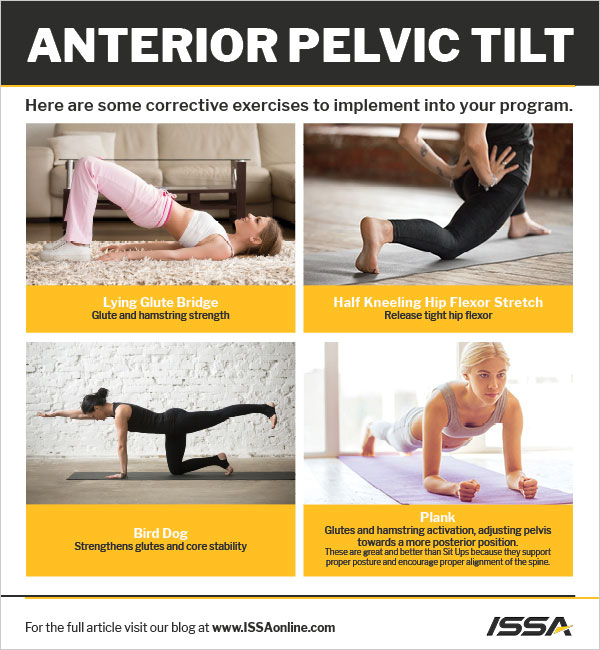
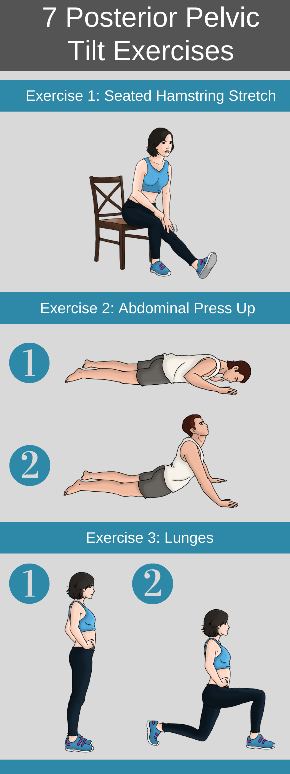
There are two types of Pelvic Tilt:

A.Anterior PT.

B.Posterior PT.
Google.com
Google.com
Google.com

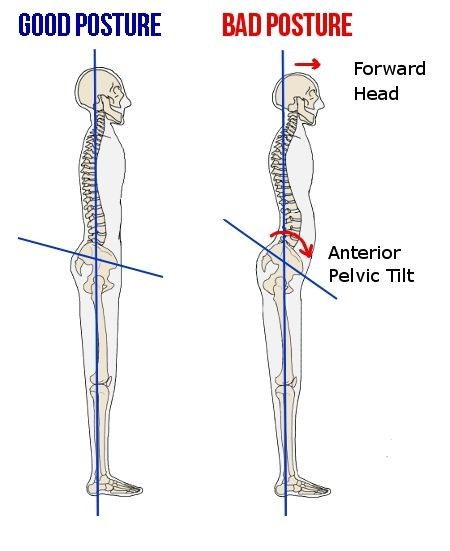
2.Forward Tilting:


•Increase in the angle
•Contraction of Hip Flexor & Lumbar Extensor Muscles.
•Lumbar Lordosis

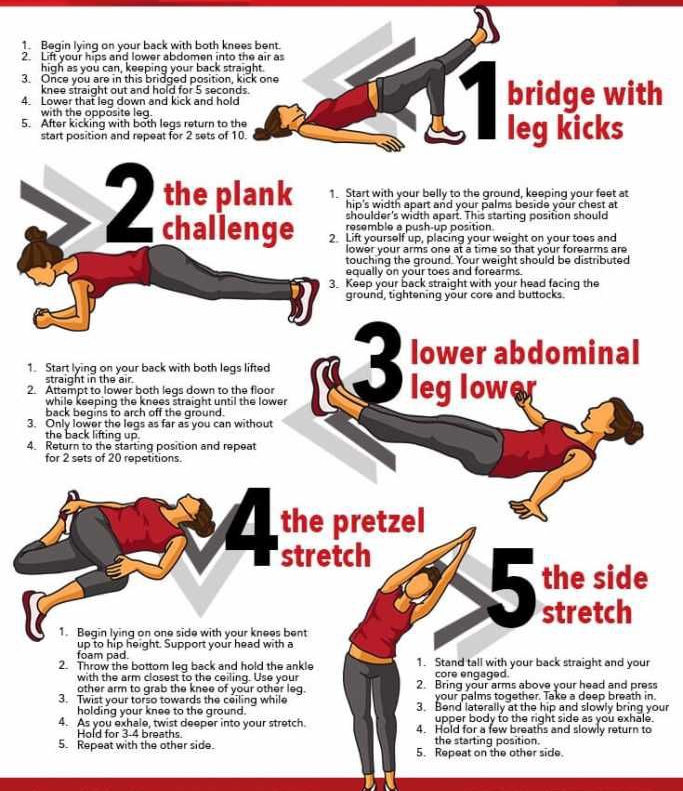
3.Backward Tilting:


•Decrease in the angle
•Contraction of Hip Extensor & straight abdominal muscles
•Flattened Lumbar

4.Lateral Tilting:


•Standing on one leg, bring the center of gravity over the base to maintain the balance.
•Upward inclination of pelvis from supported side
•Contraction of Hip Abductors
•Opposite side lumber flexors support to keep trunk erect.

-When hip abductor relaxed pelvis inclined latterly and downward towards unsupported side by the force of gravity.

5.Pelvic Rotation:


“Pelvis rotated so that ant-sup iliac spine of one side thrust forward”.
Google.com
Google.com

Can’t make you happier now!

Sometimes,I feel that I can’t make happy and please everyone around me because I m not a pizza or an ice-cream.So,let go all the toxicity and negativity out of your life.

It’s ok to take a little break and spend sometime with yourself.We are humans and need sometime to recharge ourselves from the crowd.

Google.com

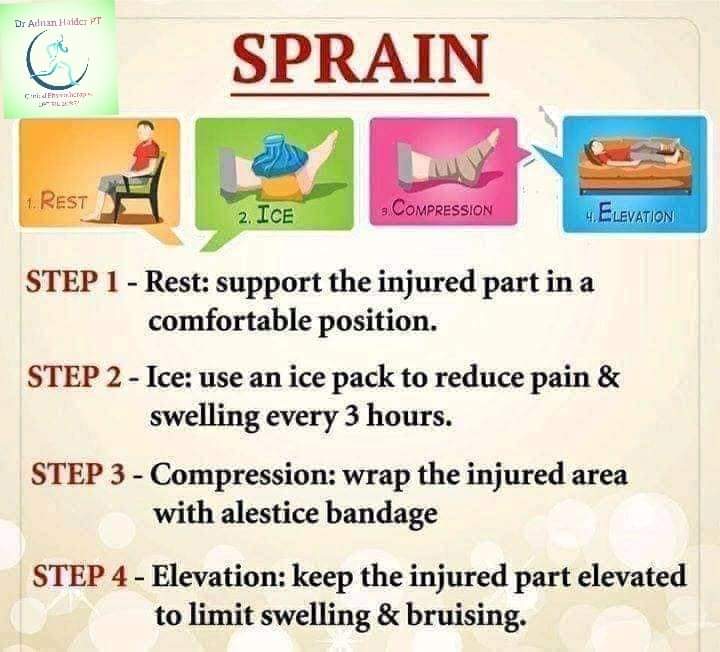
Sports Physiotherapist Daily Treatment Protocol for Injured Atheletes?

What should be the treatment protocol for injured atheletes?

Following steps are mentioned below:

R:Rest

I:Ice

C: Compression

E: Elevation

Google.com

Gynaecological Physical therapy!

Google.com

Pregnancy can be seen as a great time for lifestyle modifications.

Exercise improves the health and wellbeing of both the mother and infant during pregnancy and in the postpartum period.

The basic aim of Physiotherapy during pregnancy is to help the body deal with issues related to mobility, musculature, circulation and respiration.

Before starting an effective antenatal (before birth) program, a thorough evaluation is done to recognize which exercises would be best suited to the women’s needs.

Physiotherapy is not just for recovery. Hence incorporating Physiotherapy when you’re pregnant will be helpful.

Pelvic floor physiotherapists help women rehabilitate their pelvic floor muscles. These muscles can be weakened by childbirth, surgery, heavy lifting, being overweight, constipation or menopause.

PT uses a gloved finger with lubrication and access your pelvic floor muscles vaginally. First, we will assess how tense or relaxed the muscles are. Second, we will assess the strength, coordination and reflexes of the pelvic floor muscles by asking you to perform various types of kegals and movements.

Google.com
Design a site like this with WordPress.com
Get started