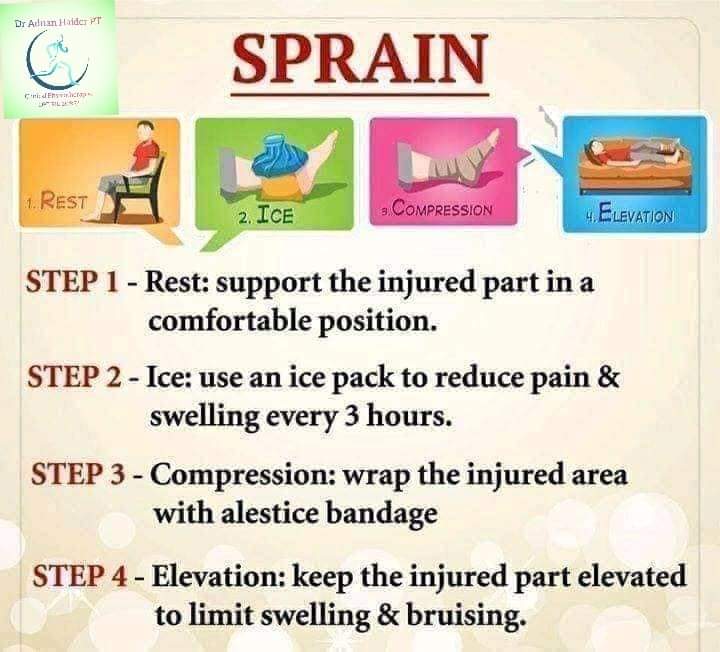
What should be the treatment protocol for injured atheletes?
Following steps are mentioned below:
R:Rest
I:Ice
C: Compression
E: Elevation
"WORK FOR IT."
What should be the treatment protocol for injured atheletes?
Following steps are mentioned below:
R:Rest
I:Ice
C: Compression
E: Elevation
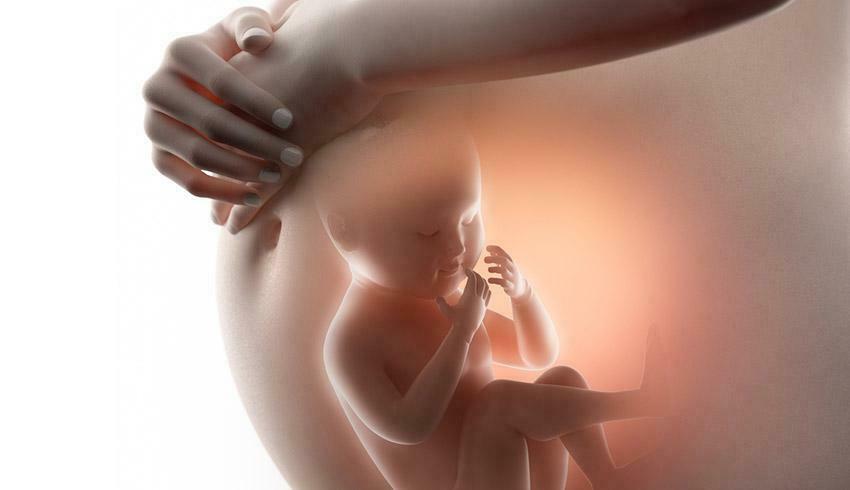
Pregnancy can be seen as a great time for lifestyle modifications.
Exercise improves the health and wellbeing of both the mother and infant during pregnancy and in the postpartum period.
The basic aim of Physiotherapy during pregnancy is to help the body deal with issues related to mobility, musculature, circulation and respiration.
Before starting an effective antenatal (before birth) program, a thorough evaluation is done to recognize which exercises would be best suited to the women’s needs.
Physiotherapy is not just for recovery. Hence incorporating Physiotherapy when you’re pregnant will be helpful.
Pelvic floor physiotherapists help women rehabilitate their pelvic floor muscles. These muscles can be weakened by childbirth, surgery, heavy lifting, being overweight, constipation or menopause.
PT uses a gloved finger with lubrication and access your pelvic floor muscles vaginally. First, we will assess how tense or relaxed the muscles are. Second, we will assess the strength, coordination and reflexes of the pelvic floor muscles by asking you to perform various types of kegals and movements.
Wishing all Muslims a very happy and delightful Eid!

🔹Ankle is complex network of bones, ligaments, tendons and muscles.
🔹The lower leg bones (tibia and fibula) come together to meet the foot bone (talus) to form the ankle.
🔹It is strong enough to bear the body weight and enable to move.
🔹Injury to any of the ankle bones, ligaments or tendons and several types of arthritis can cause ankle pain. Common causes of ankle pain include:
1.Bursitis: Fluid-filled sacs called bursaecushion the bones when they move. Bursitis happens when these sacs become irritated and inflamed.
2.Fractures: An accident or injury can cause bones to break (fracture). Ankle fractures range from mild to severe. Broken ankles can involve bones in any part of the ankle joint. It causes ankle swelling and pain.
3.Sprains: Sprained ankles are a common cause of ankle pain. An ankle sprain happens when ligaments stretch or tear. Sprained or twisted ankles happen when the ankle rolls forcefully out of its normal position.
4.Tendonitis: Irritated, inflamed tendons are a soft-tissue injury called tendonitis. Tendons connect muscles to bones. Sometimes, a tendon can tear (such as an Achilles tendon rupture). A torn tendon may need surgical repair.
5.Arthritis: Pain and stiffness in the ankle joint can result from ankle arthritis. Arthritis happens when cartilage (tissue in joints that cushions bones) breaks down. The breakdown causes bones to rub together. Injuries and overuse can lead to arthritis, and it’s more common in people over 65.
Several types of arthritis can affect the ankles. Common types include rheumatoid arthritis and osteoarthritis.

6.Flatfoot: A very low arch (or no arch at all) can cause pain and swelling in the ankles and feet. Sometimes, kids’ arches don’t develop normally as they grow up, resulting in the condition.
7.Gout: A type of arthritis, gout results from a buildup of uric acid throughout the body. Typically, uric acid leaves the body in urine. Excess uric acid creates crystals that settle in the joints. Gout in the ankle can be very painful.
8.Infection: Several types of infection, including cellulitis, can cause swelling and pain in the ankle joint. A bone infection called osteomyelitis can result from a staph infection.
Other causes of ankle pain:
▪️ Osteochondritis dissecans
▪️ Plantar fasciitis
▪️ Pseudogout
▪️ Tarsal tunnel syndrome

A combination of stretching and strengthening will restore coordination of the entire core to treat, manage, and prevent future injuries in the groin or abdominal wall.
Following are the stretches mentioned below:
1.Butterfly Stretch:
You can use your hands or a stretch strap for this one. The focus is on the commonly sore inner thigh muscles, or hip adductors. The stretch strap is best if you can’t reach your feet comfortably or you want to deepen the stretch.
Tight hip flexors, the large muscle groups that cross the front of the hip and pelvis, can throw the entire core out of balance. A gentle hip flexor stretch can be powerful for relief and recovery.
3.Standing Quad Stretch:
This simple stretch is also a great addition to your stretching routine. The quads are notoriously tight with groin pain and can even exacerbate the issue.
Hamstring tension can play a large role in groin pain because of the influence it has on the pelvis. Grab a towel, or belt for this stretch to get started.
5.Double Leg Toe Taps:
This basic exercise can be difficult if you are dealing with groin pain or a weak core, which is common with a sports hernia. Make sure you understand how to master tightening your core before starting this one.
6.Clam Shells:
Groin pain related to a sports hernia can also be caused by an underlying imbalance in the hip rotators – particularly the external rotators. One of the larger muscle groups associated with hip rotation is the gluteus medius. This exercise will give the side of your butt and hip a great burn for restoring better balance in relation to the inner hip.
7.Bird Dog:
This classic exercise is great for training full body coordination while keeping the core activated. Plus, it works your hip muscles for an added benefit to your groin.
8.Plank:
A plank is always a great way to get the core, and pretty much the entire body, working all at once.
Thank you.

