Year ‘2025 was full of lessons & teachings taught from The Most Trustable,Selfish & Stupid People.
First Comes,Solitude!
Solitude:
It defines richness in being alone, self-discovery, and peace, distinguishing it from loneliness with classics like May Sarton’s “Loneliness is the poverty of self; solitude is the richness of self”.
Thoreau’s call to simplify life to find clarity, emphasizing it as a space for creativity and inner connection not isolation.
On Self-Discovery & Richness “You cannot be lonely if you like the person you’re alone with.” “If you are never alone, you cannot know yourself.” – Paulo Coelho
“Solitude is not the absence of Love, but its complement.” “I restore myself when I’m alone. A career is born in public — talent in privacy.” – Marilyn Monroe
On Creativity & Purpose “Without great solitude no serious work is possible.” -Pablo Picasso
“The more powerful and original a mind, the more it will incline towards the religion of solitude.” – Alfred North Whitehead
“The monotony and solitude of a quiet life stimulates the creative mind.” On Finding Peace & Connection “Solitude vivifies; isolation kills.” – Joseph Roux
“Friendship needs no words – it is solitude delivered from the anguish of loneliness.” – Dag Hammarskjöld
“What a lovely surprise to finally discover how unlonely being alone can be.” On Choosing Solitude “My solitude doesn’t depend on the presence or absence of people; on the contrary, I hate who steals my solitude without, in exchange, offering me true company.” – Fernando Pessoa
Because,We are Born Alone & We Will Die Alone.So,Why Not We Live Alone For Sometimes & Enjoy The Fukq’ Moments.The Opalite Sky ☁️ & Lavender 🪻 Hazy Clouds,The Blue & Purple Sky!
Google.com
The Masquerade ball & Rivarly passionate Love 💓 We left behind in Our Life🧬Taught US unforgettable lessons & teachings not to GIVE YOUR ALL SELF TO ANYONE NOR ANYBODY 🙏 Because I Don’t Belong To NO ONE AS I AM A HURRICANE 🌀
Google.com
I Only FELT RELIGION ☯️ WHEN I LIED with YOU BOTH 🦀🦁☠️But My Intentions were Always PURE & CLEAR For YOU 💕 BOTH.As,They Say in the End!
Research Meta-analysis for Physiotherapy in Parkinson Disease 🧠💪🦵 is further described as follow:
Abstract Background:
Physiotherapy is a commonly prescribed intervention for people with Parkinson’s disease (PD).
Conventional types of physiotherapy have been studied extensively while novel modalities are being developed and evaluated.
Objective:
To evaluate the effectiveness of conventional and more recent physiotherapy interventions for people with PD.
The meta-analysis performed as part of the 2014 European Physiotherapy Guideline for PD was used as the starting point and updated with the latest evidence.
Methods:
We performed a systematic search in PubMed,CINAHL, Embase and Web of Science. Randomized controlled trials comparing any physiotherapy intervention with no intervention or sham treatment were included.
Trials were classified into 12 categories:
Conventional physiotherapy, resistance training,treadmill training,strategy training, dance,martial arts,aerobic exercises,hydrotherapy,balance and gait training,dual tasking,exergaming and Nordic walking.
Outcomes includes:
Motor symptoms,balance,gait, and quality of life and are presented as standardized mean differences.
The GRADE (Grading of Recommendations, Assessment, Development and Evaluation) approach was used to systematically appraise methodological quality.
Results:
A total of 191 trials with 7998 participants were included. Conventional physiotherapy significantly improved motor symptoms, gait and quality of life.Resistance training improved gait.
Treadmill training improved gait.Strategy training improved balance and gait.
Dance, Nordic walking, balance and gait training, and martial arts improved motor symptoms, balance and gait.
Exergaming improved balance and quality of life. Hydrotherapy improved balance.
Finally, dual task training did not significantly improve any of the outcomes studied.
Google.com
Conclusions:
This meta-analysis provides a comprehensive overview of the evidence for the effectiveness of different physiotherapy interventions in the management of PD allowing clinicians and patients to make an evidence-based decision for specific treatment modalities.
Further work is needed to directly compare the relative efficacy of the various treatments.
Keywords:
Google.com
European Physiotherapy Guideline; Parkinson’s disease; guideline; meta-analysis; physiotherapy; review.
Summary Of Article By PHYSIOHEALER:
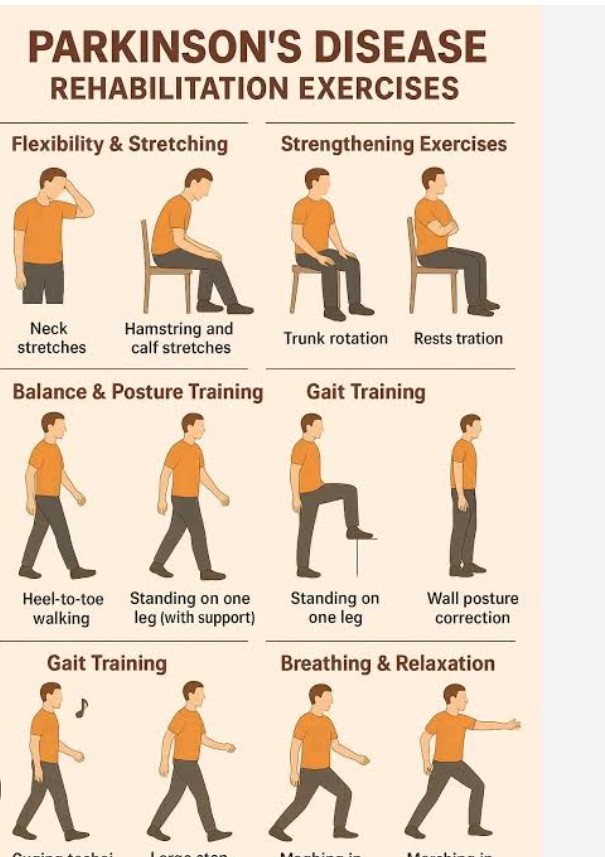
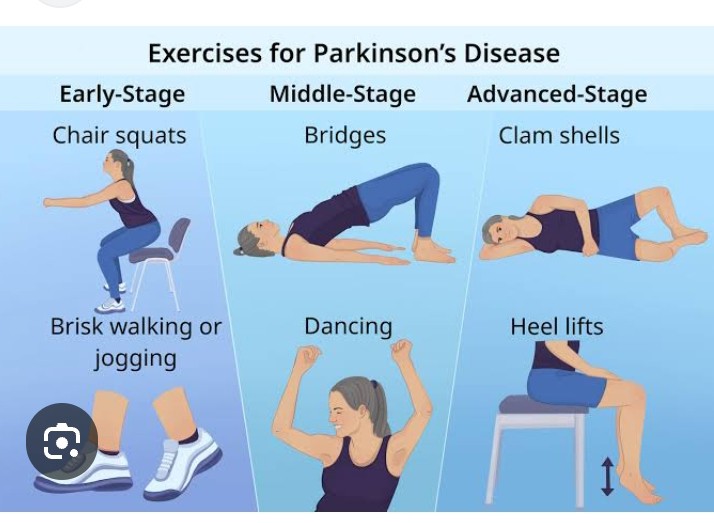
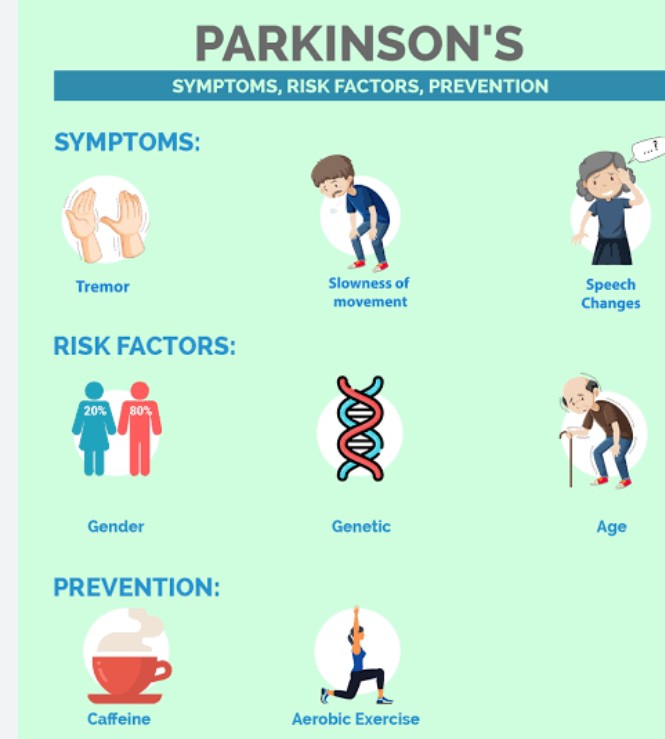
A broad body of evidence suggests physiotherapy interventions provide at least small-to-moderate improvements in gait, balance, mobility, and daily functioning for people with Parkinson’s disease (PD).
Benefits are most consistently seen for targeted gait and balance programs and tend to be maintained with regular, ongoing practice.
– Interventions With Strongest or Most Consistent Evidence:
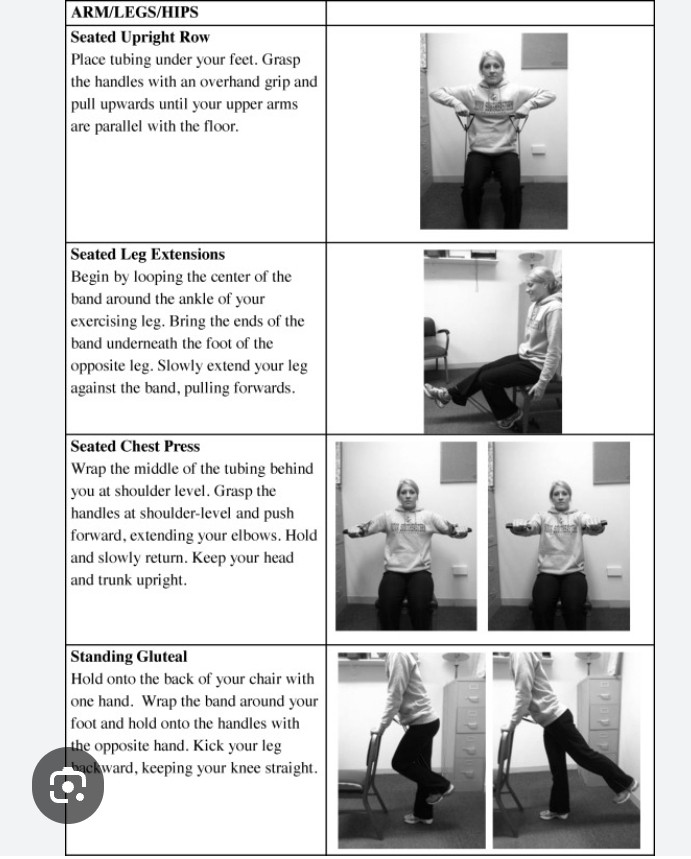
– Gait training with cues and/or treadmill-based programs: improves gait speed, stride length, and sometimes balance. – Balance and postural control training: reduces fall risk and improves balance measures. – Resistance/strength training: increases lower-limb strength and can improve functional mobility.
– Tai Chi and dance-based programs: improve balance, mobility, and sometimes QoL; benefits may accumulate with longer programs. – Multimodal or supervised programs that combine elements (aerobic + resistance + balance) tend to yield robust improvements.
– Outcomes:
– Gait speed and stride parameters improve. – Timed Up and Go (TUG) and other mobility measures improve. – Balance scores improve; fall risk may decrease with regular training. – Activities of daily living may improve, with QoL benefits reported in some studies. – Practical considerations:
– Dose Matters:
Progression, frequency (often 2–3 sessions/week or more), and duration (several weeks to months) influence outcomes. – Supervision plus home exercises tends to yield better results than home programs alone, though adherence is key. – Stage of PD and baseline impairment influence which modalities are most effective.
– Limitations And Gaps:
– Heterogeneity across studies in PD severity, outcome measures, and intervention protocols. – Some evidence of small study effects and variable risk of bias. – Long-term maintenance and optimal sequencing of modalities require more research.
– Practical Takeaway For Decision-Making:
– For Gait And Mobility Limitations:
Prioritize gait/locomotor training with cues,Consider treadmill-based options.
– For balance and fall prevention: incorporate balance-focused activities (e.g., Tai Chi, balance training) 2–3 times per week. – For overall function and strength: add progressive resistance training. – When possible, use a multimodal program, supervised initially, with a guided home program for maintenance.
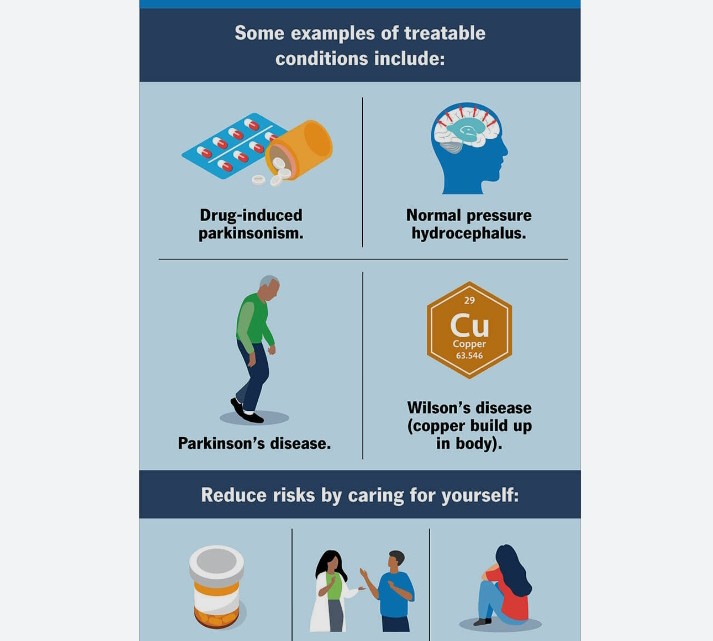
Treatment includes for several underlying reasons for Parkinsonism:
Medications:
Several medications can cause a parkinsonism-like effect.The Parkinson’s-like effects are often temporary if you stop taking the medication that caused them before the effects become permanent.
However,the effects can linger for weeks or even months after you stop taking the medication. Encephalitis.Inflammation of your brain,known as encephalitis,can sometimes cause parkinsonism.
Toxins and poisons:
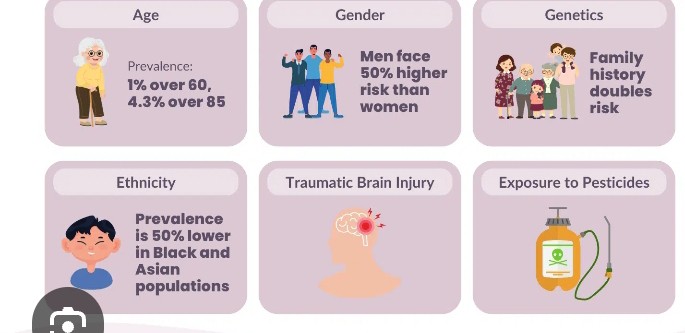
Exposure to several substances, such as manganese dust,carbon monoxide,fumes from welding or certain pesticides can lead to parkinsonism.
Damage from injuries:
Repeated head injuries, such as those from high-impact or contact sports like boxing, football, hockey, etc can cause brain damage. The term for this is “post-traumatic parkinsonism.”
Diagnosis and Tests:
Google.com
It can varies from patient to patient :
Diagnosing Parkinson’s disease is mostly a clinical process, meaning it relies heavily on a healthcare provider examining your symptoms,asking questions and reviewing your medical history.
Some diagnostic and lab tests are possible but these are usually needed to rule out other conditions or certain causes.
But most lab tests aren’t necessary unless you don’t respond to treatment for Parkinson’s disease which can indicate you have another condition.
What tests will be done to diagnose this condition?
When healthcare providers suspect Parkinson’s disease or need to rule out other conditions,various imaging and diagnostic tests are possible.
These include:
Blood tests (these can help rule out other forms of parkinsonism). Computed tomography (CT) scan. Genetic testing. Magnetic resonance imaging (MRI). Positron emission tomography (PET) scan.
New lab tests are possible as Researchers have found possible ways to test for possible indicators of Parkinson’s disease.
Both of these new tests involve the alpha-synuclein protein but test for it in new,unusual ways.
While these tests can’t tell you what conditions you have because of misfolded alpha-synuclein proteins,that information can still help your provider make a diagnosis.
The two tests use the following methods:
1.Spinal tap:
One of these tests looks for misfolded alpha-synuclein proteins in cerebrospinal fluid, which is the fluid that surrounds your brain and spinal cord.
This test involves a spinal tap (lumbar puncture), where a healthcare provider inserts a needle into your spinal canal to collect some cerebrospinal fluid for testing.
2.Skin Biopsy:
Another possible test involves a biopsy of surface nerve tissue. A biopsy includes collecting a small sample of your skin, including the nerves in the skin. The samples come from a spot on your back and two spots on your leg.
Analyzing the samples can help determine if your alpha-synuclein has a certain kind of malfunction that could increase the risk of developing Parkinson’s disease.
Management and Treatment:
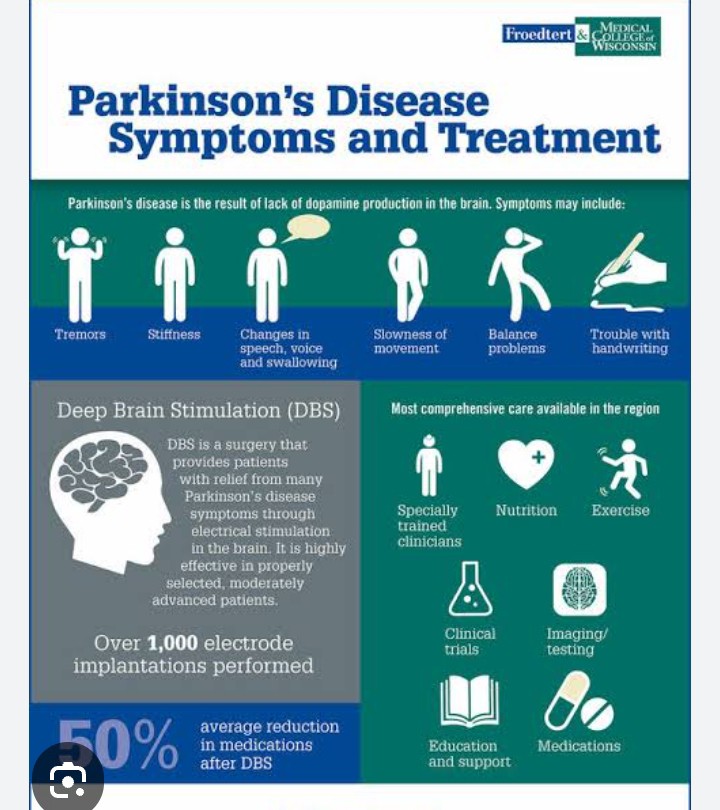
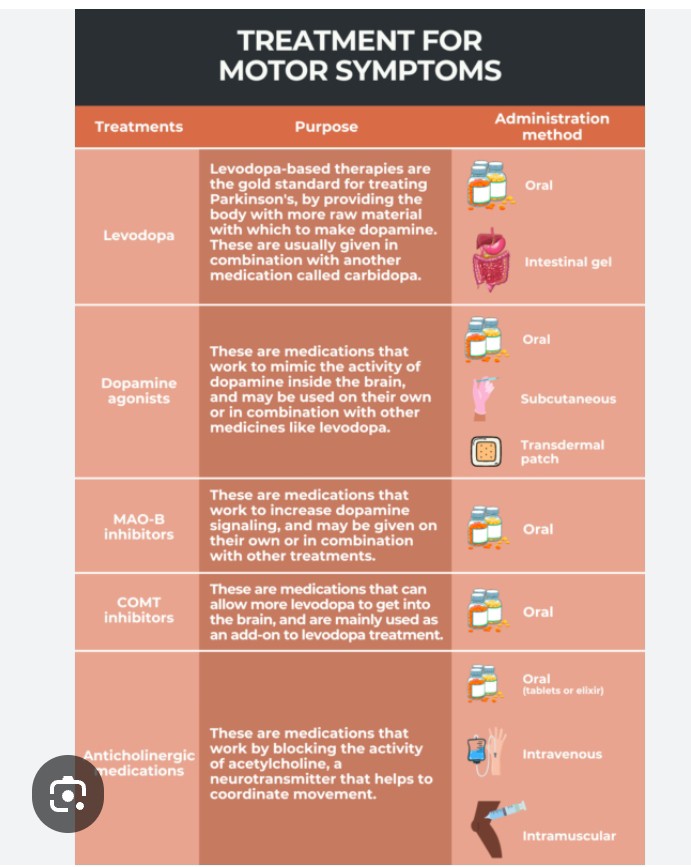
For now,Parkinson’s disease isn’t curable but there are multiple ways to manage its symptoms.The treatments can also vary from person to person,depending on their specific symptoms and how well certain treatments work. Medications are the primary way to treat this condition.
A secondary treatment option is surgery to implant a device that will deliver a mild electrical current to part of your brain (this is known as deep brain stimulation).
There are also some experimental options,such as stem cell-based treatments, but their availability often varies, and many aren’t an option for people with Parkinson’s disease.
Medication treatments for Parkinson’s disease fall into two categories:
Direct Treatments And Symptom Treatments:
Direct treatments target Parkinson’s itself.
Symptom treatments only treat certain effects of the disease.
Medications:
Medications that treat Parkinson’s disease do so in multiple ways.Because of that, drugs that do one or more of the following are most likely:
1.Adding Dopamine:
Medications like levodopa can increase the available levels of dopamine in your brain.
This medication is almost always effective and when it doesn’t work,that’s usually a sign of some other form of parkinsonism rather than Parkinson’s disease.
2.Long-Term Use Of Levodopa:
eventually leads to side effects that make it less effective. Simulating dopamine. Dopamine agonists are medications that have a dopamine-like effect.
These are more common in younger patients to delay starting levodopa. Dopamine metabolism blockers.
Medications that block your body from breaking down dopamine allow more dopamine to remain available to your brain.
Your healthcare provider is the best person to tell you more about the likely side effects and complications that you might experience.
These are specially useful early on and can also help when combined with levodopa in later stages of Parkinson’s disease.
3.Levodopa Metabolism Inhibitors:
These medications slow down how your body processes levodopa,helping it last longer. These medications may need careful use because they can have toxic effects and damage your liver.
They are most often used to help as levodopa becomes less effective.
4.Adenosine Blockers:
Medications that block how certain cells use adenosine (a molecule used in various forms throughout your body) can have a supportive effect when used alongside levodopa.
Therapies For Parkinson Disease:
Google.com
We Shared Two Therapies in this Article:
1.Stem Cell Therapy.
2.Gene Therapy.
Health professionals tell attendees of Parkinson patients what they can do to minimize these side effects or complications which affect ADLs.








 PHYSIOHEALER.