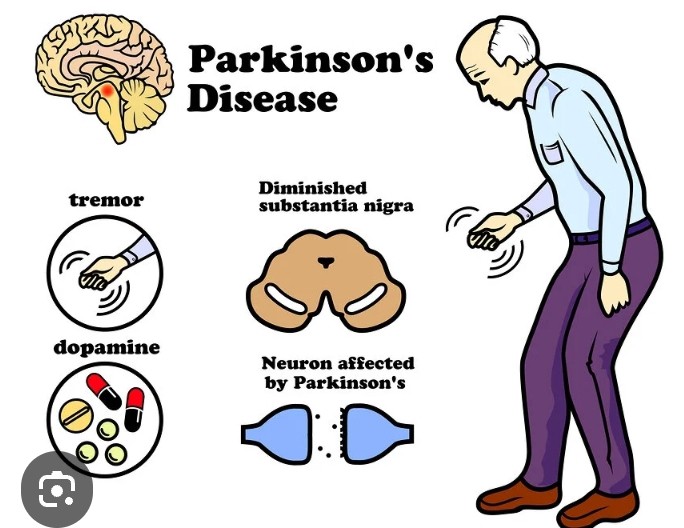
As Defining under the wide horizon of Neurological Diseases :An old age neurological disease came into discovery by neurologists called as “Parkinson’s disease”.
In this neurological disease,nerve cells in the brain called as Neurons slowly break down or die.Many Parkinson’s disease symptoms are caused by a loss of neurons that produce a chemical messenger in the brain.
Google.com
Diagnosis:
This messenger is called dopamine.Decreased dopamine leads to irregular brain activity.
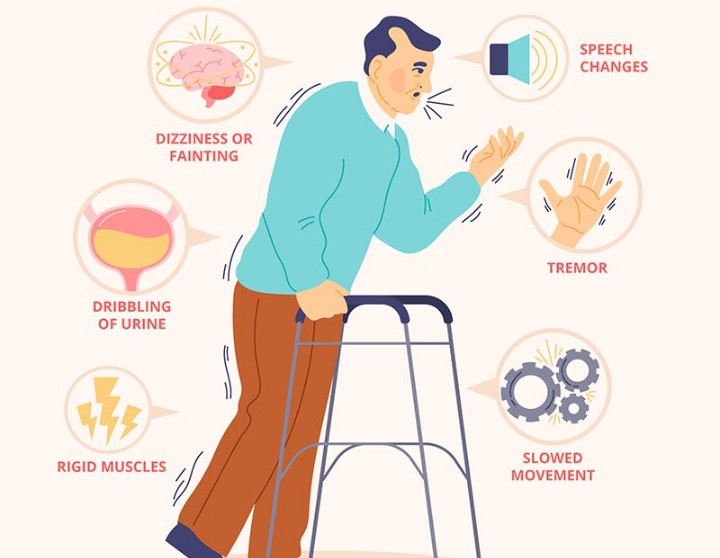
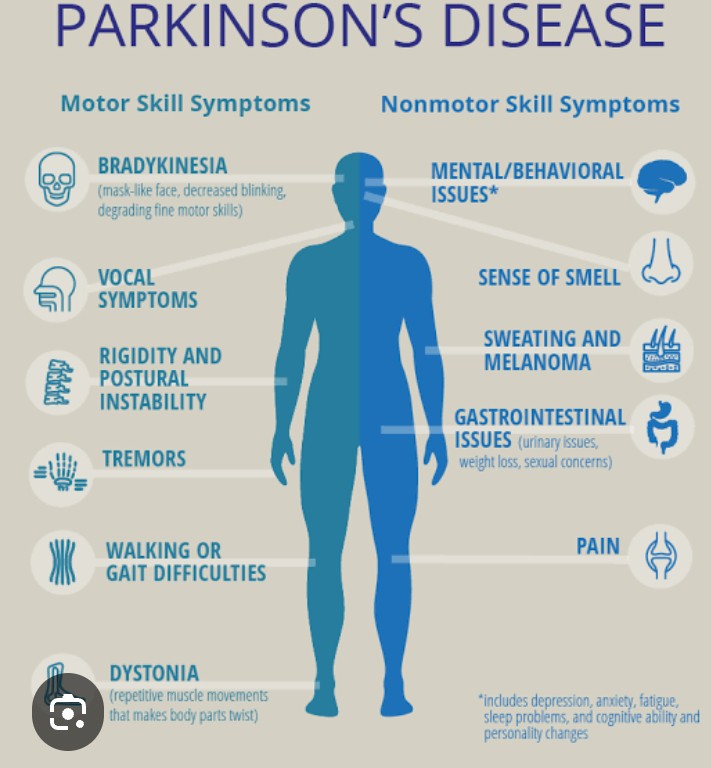
Parkinson’s disease is a brain disorder that causes unintended or uncontrollable movements,such as shaking, stiffness, and difficulty with balance and coordination. Symptoms usually begin gradually and worsen over time.
Google.com
As the disease progresses, people may have difficulty walking and talking.
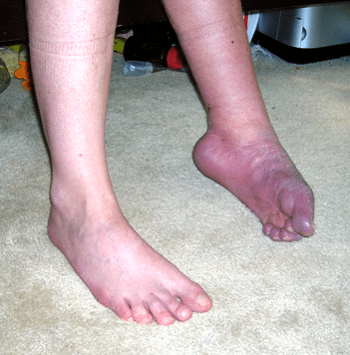
Complex Regional Pain Syndrome (CRPS) is a chronic pain condition,typically affecting a limb after an injury, where the pain is disproportionately severe and long-lasting compared to the initial injury.
It is believed to stem from a malfunction in the central and peripheral nervous systems, leading to symptoms like swelling,changes in skin temperature and color and extreme sensitivity to touch in the affected limb.
Early treatment is most effective and can lead to improvement or remission.
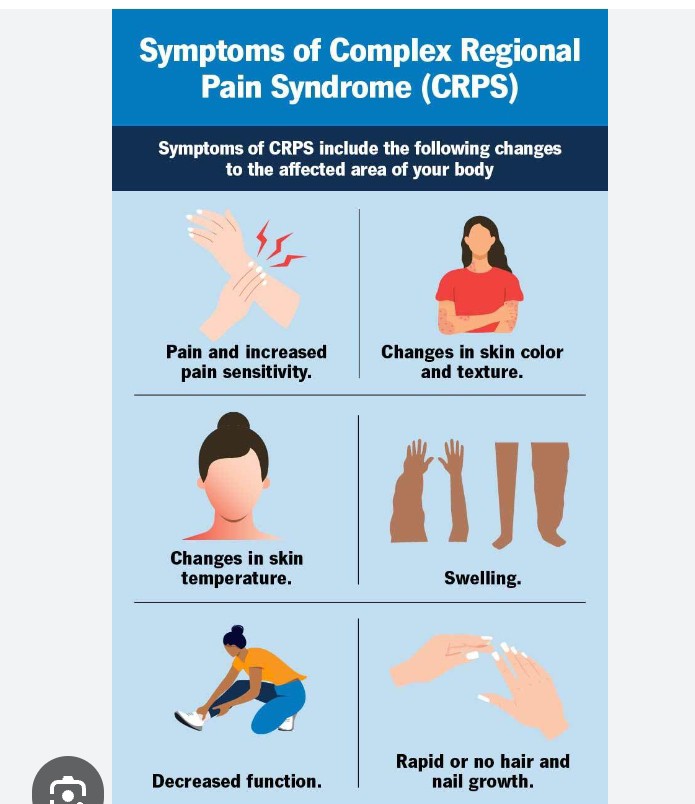
Symptoms Of CRPS:
Google.com
Pain:
A persistent,burning pain that can be spontaneous or triggered by even a light touch.
Sensitivity:
The affected area may become extremely sensitive to stimuli like temperature changes or physical touch.
Swelling:
The limb may swell or have changes in color (red, pale, or purple).
Temperature:
The skin may feel unusually warm or cold compared to the other limb.
Skin and Nail:
The skin may become shiny, thin, or sweaty while hair and nail growth can be affected.
Motor Dysfunction:
Decreased movement,stiffness, weakness or tremors can occur in the affected limb.
Causes:
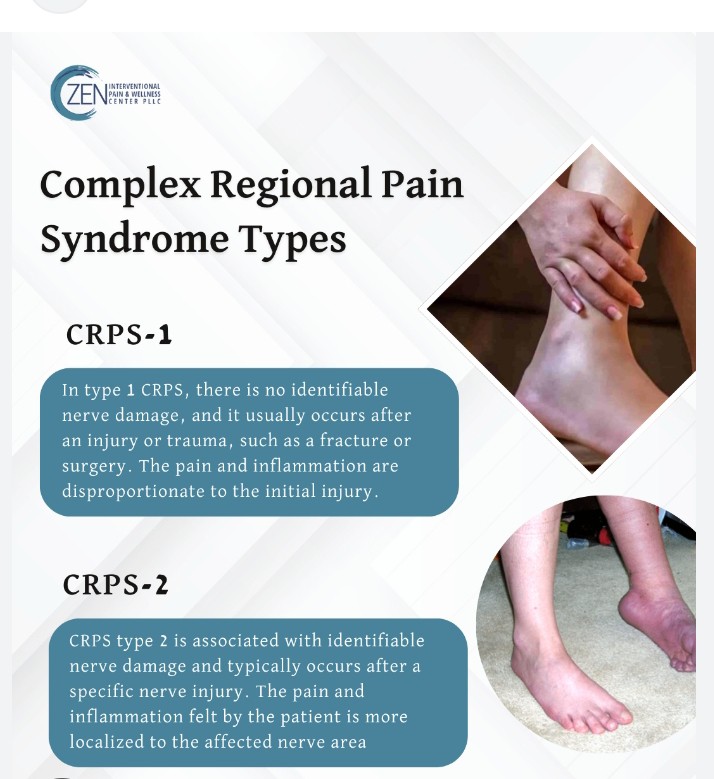
CRPS is thought to be caused by damage to or a malfunction of the peripheral and central nervous systems but the exact cause is not fully understood.
It often develops after an injury, such as a fracture,surgery, sprain or burn.
Treatment:
Google.com
Treatment is most effective when started as early as possible.
Treatments can include medications,physical therapy, and pain-relieving procedures like nerve blocks.
Surgery may be considered in severe,progressive cases that do not respond to other treatments.
Skin swelling:
Swelling may come and go or remain constant.Decreased function in your affected limb: You may experience a decreased ability to move your affect.
Pain from light touch or even a breeze.Persistent swelling in the injured limb.Skin that feels very hot or cold.Changes in skin color (red, purple, pale)-Stanford Medicine
Complex Regional Pain Syndrome (CRPS) is a chronic pain condition that most often affects one limb (arm, leg, hand, or foot) usually after an injury.
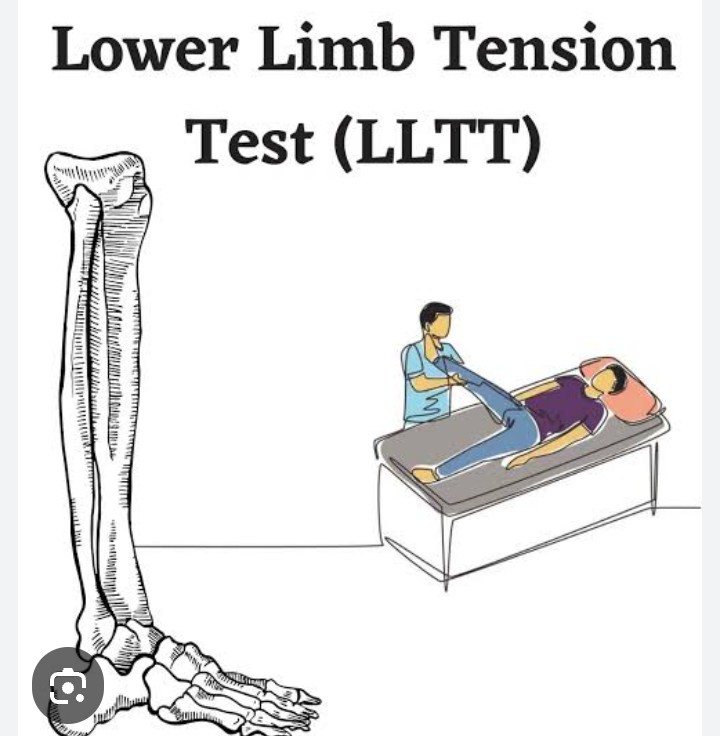
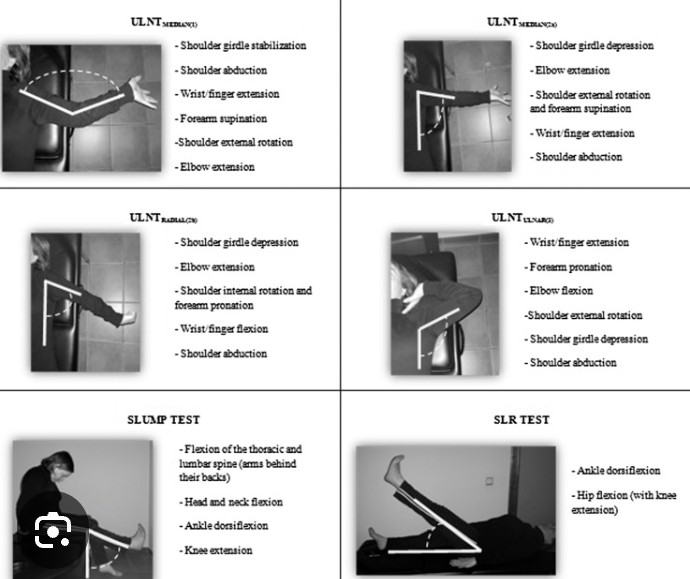
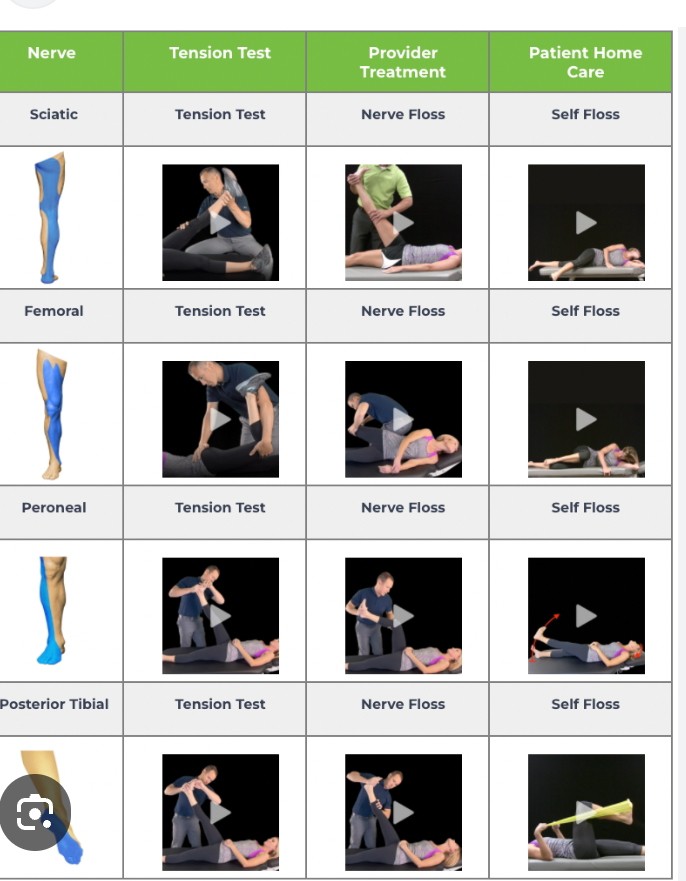
This is a fundamental test where a supine patient’s straight leg is passively lifted until their symptoms are reproduced.
Positive Result:
Reproducing radicular symptoms between \(30 degree-70 degree) suggests involvement of the L4/5 or L5/S1 nerve roots.
2.Braggard’s Test:
This is an adjunct to the SLR test.After symptoms are reproduced, the leg is lowered slightly,the ankle is dorsiflexed, and the leg is lifted again.
If the original symptoms are reproduced with dorsiflexion,it is a positive test.
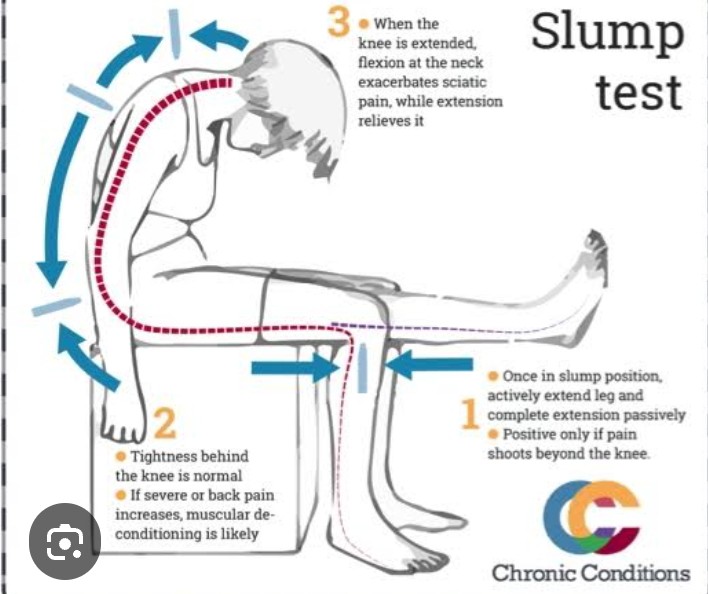
3.Slump Test:
This test is used to assess the neural structures within the vertebral canal and foramen.
Procedure:
The patient sits on the edge of a table and performs a series of movements:Slumps their back (flexes),places hands behind their back,tucks their chin to their chest and then actively extends their knee. Overpressure is applied at various stages.
Positive Result:
The reproduction of neurological symptoms like shooting pain or numbness indicates a potential issue.
4.Prone Knee Bend (PKB) Test:
This test can be used to assess for a positive response related to the femoral nerve.
Procedure:
The patient lies on their stomach and the clinician bends the patient’s knee.
Positive Result:
Reproduction of symptoms in the anterior thigh or groin can be a positive sign.
Google.com
Why these Tests are performed?
Google.com
Identify Nerve Involvement:
They help determine if a patient’s symptoms are due to nerve compression,irritation, or tethering, rather than just muscle or joint problems.
Diagnose Conditions:
They are used in diagnosing conditions like sciatica,which is often caused by a herniated disc or nerve root entrapment.
Inform Treatment Plans:
By identifying the source of the pain.Therefore,clinicians can create more targeted treatment plans that address the true cause of the symptoms.
Rotator cuff pain stems from several types of injuries, primarily tendinitis, bursitis, shoulder impingement syndrome and rotator cuff tears.
These conditions often overlap and can progress from one to another if left untreated.
Common Types of Rotator Cuff Conditions and Associated Pain:
1.Rotator Cuff Tendinitis/Tendinopathy:
It includes Irritation, swelling, or chronic degeneration (wear and tear) of the tendons that connect muscles to bone.
Mild to General ache in the front/side of the shoulder, worsening with overhead activities or at night.
2.Bursitis:
It includes Inflammation of the bursa a fluid-filled sac that cushions the space between the tendons and bone.
Pain and catching sensation when moving the arm, often worsened by repetitive overhead movements.
3.Shoulder Impingement Syndrome:
It occurs when the top of the shoulder blade (acromion) rubs against or pinches the rotator cuff tendons and bursa when the arm is raised.
Persistent,chronic pain that worsens with overhead activities and can disrupt sleep.
4.Rotator Cuff Tears:
A tear in one or more of the rotator cuff tendons. Tears can be partial (damaging the tendon partway through) or complete/full-thickness (severing the tendon from the bone).
Ranges from sudden,intense pain with a traumatic injury to a gradual ache that worsens over time with degenerative tears.Often accompanied by significant weakness and difficulty with arm movement.
Google.com
Key Characteristics of the Pain Location:
Pain is typically felt in the anterior (front) or lateral (outside) aspect of the shoulder, often radiating down the side of the upper arm but usually stopping before the elbow.
Movement-Related:
Pain is often triggered or worsened by specific movements,such as:
Lifting or lowering the arm.
Reaching overhead or behind the back.
Pushing or pulling motions.
Night Pain:
Many individuals experience pain at rest or while lying on the affected shoulder resulting in disrupt sleep.
This is a common and often key symptom of a tear or chronic tendinopathy.
Associated Symptoms:
Pain is frequently accompanied by shoulder weakness, a reduced range of motion and sometimes a clicking or popping sensation during movement.
If you experience persistent shoulder pain,especially if it interferes with sleep or daily activities.
Consult a healthcare provider for a proper diagnosis and treatment plan.
Dyspareunia is a medical term that describes painful intercourse, which can affect both men and women. It is characterized by: – Sharp,burning or aching sensations. – Discomfort or pain in the genital area. – Difficulty enjoying sex due to pain.
Common causes include: – Infections (e.g., STIs, yeast infections) – Hormonal imbalances – Vaginal dryness or irritation – Endometriosis or other medical conditions – Psychological factors (e.g., anxiety, trauma)
If you are feeling pain during sex,it is essential to consult a healthcare professional for proper evaluation and treatment.
Google.com
By doing,Physiotherapy it can help with sex by addressing issues like painful intercourse, improving sexual function, and increasing stamina through pelvic floor and core exercises, stretching and other techniques.
A physical therapist can create a personalized plan that includes strengthening muscles, improving flexibility and using manual therapies or behavioral strategies to address specific problems.