Neck pain which is also called as Cervical Neck pain. In this, physiotherapy can have a massive impact on the global burden of neck pain.Through the application of good examination skills, effective clinical reasoning and appropriate selection of interventions the impact of neck pain for any individual can be significantly reduced. In addition the high tendency for chronicity in neck pain can be lowered with effective management.
INTRODUCTION:
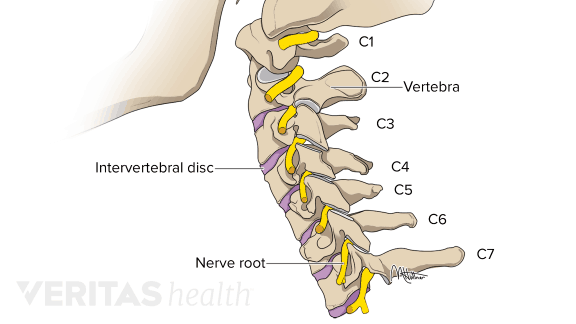
The cervical spine is the most superior portion of the vertebral column, lying between the cranium and the thoracic vertebrae.
It consists of seven distinct vertebrae, two of which are given unique names:
1.ATLAS:
The first cervical vertebrae (C1) is known as the atlas.
2.AXIS:
The second cervical vertebrae (C2) is known as the axis.
ATTACHMENT:
Attached to the back of each vertebral body is an arch of bone that forms a continuous hollow longitudinal space, which runs the whole length of the back. This space, called the spinal canal, is the area through which the spinal cord and nerve bundles pass. The spinal cord is bathed in cerebrospinal fluid (CSF) and surrounded by three protective layers called the meninges (dura, arachnoid, and pia mater).
VERTEBRAL LEVEL:
At each vertebral level, a pair of spinal nerves exit through small openings called foraminae (one to the left and one to the right). These nerves serve the muscles, skin and tissues of the body and thus provide sensation and movement to all parts of the body. The delicate spinal cord and nerves are further supported by strong muscles and ligaments that are attached to the vertebrae.
SYMPTOMS OF NECK PAIN:
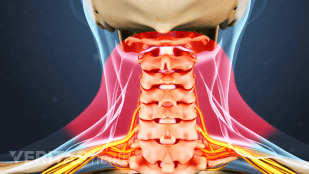
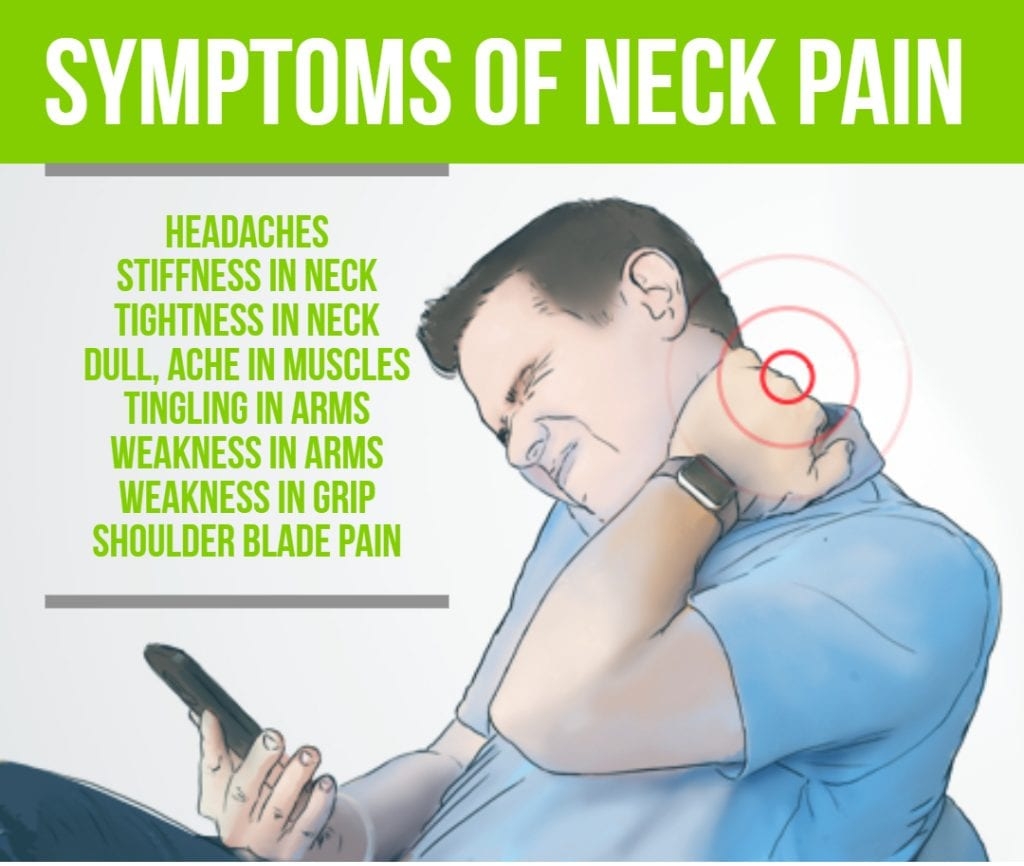
Neck pain of soft tissue origin tends to produce symptoms localized to the muscular tissues running up and down both sides of the cervical spine. The discomfort can expand out towards the shoulders, but rarely radiates down the arms.
SYMPTOMS:
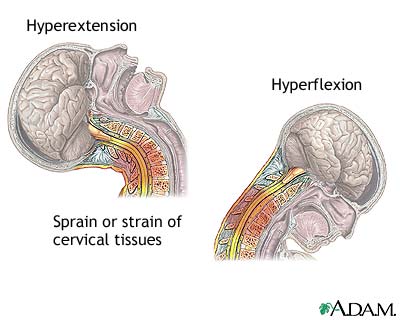
They are commonly worse with the head and neck in a fixed, or static, position and better with movement, ice or heat and massage. This tends to be a persistent type of pain, often precipitated by injury or overuse. The cause can be injuries to the muscles and ligaments or to the underlying bones and discs. Once injury occurs, there tends to be a tightening of the muscles, perhaps as a reflex designed to hold the head and neck stable, but this also creates enhanced muscle tone and discomfort from the chronic muscle spasm.
Motor Function:
Almost all of the muscles in both the arms and legs are tested.Maximum power that each muscle can generate and the loss of muscle bulk (atrophy) are assessed.
Sensory Function:
It is tested with either a pin-prick or light-touch method, looking for areas of numbness, tingling or burning.
Reflex Activity:
The arms and legs are tested with the rubber hammer to provide insight to nerve, spinal cord and muscle function.
Gait Assessment And Coordination:
It is checked through balance and pattern of muscle power.
Coordination of both arms and legs is reviewed for both dexterity and balance.
Range of Motion:
Mostly all of the spine, both passively and actively, is performed while assessing the musculature and identifying whether any nerve, spinal cord or pain difficulties emerge.
 PHYSIOHEALER.
You replied to this comment.
LikeLiked by 1 person
Thank you!
LikeLike
Hi,contact us on whatsapp 0320-9324226
LikeLike
Hi
LikeLike
03209324226 whtsapp
LikeLike
Contact on 0320-9324226
LikeLike