Eleventh Lesson:Happiness 🦀🦁⭐

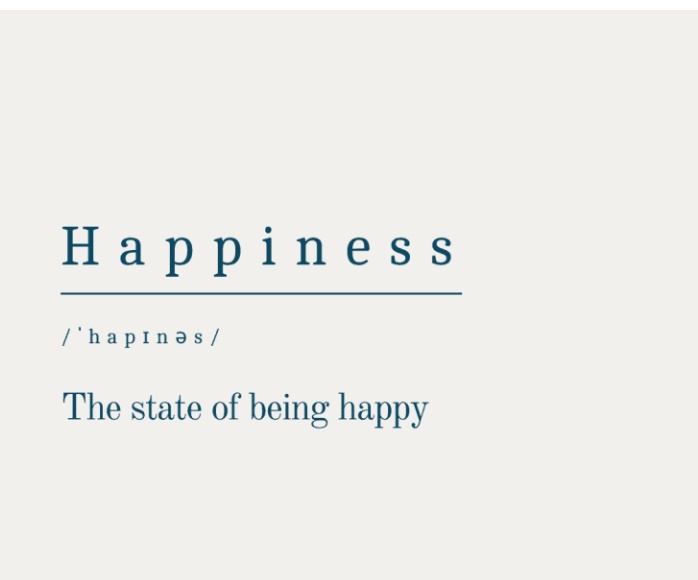
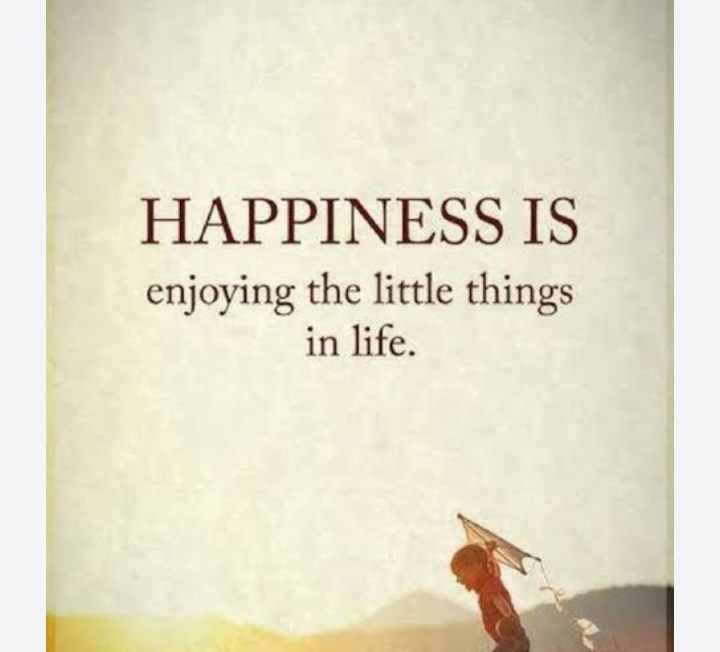
Happiness is a complex and multifaceted emotion that encompasses a range of positive feelings,from contentment to intense joy.

It is often associated with positive life experiences, such as achieving goals,spending time with loved ones or engaging in enjoyable activities.
Google.com

The golden rule of happiness is that “the more you make others happy:the happier you will be”.

Try to make at least 3 people smile every day.

Make sure you have a hearty laugh and smile more.
Google.com

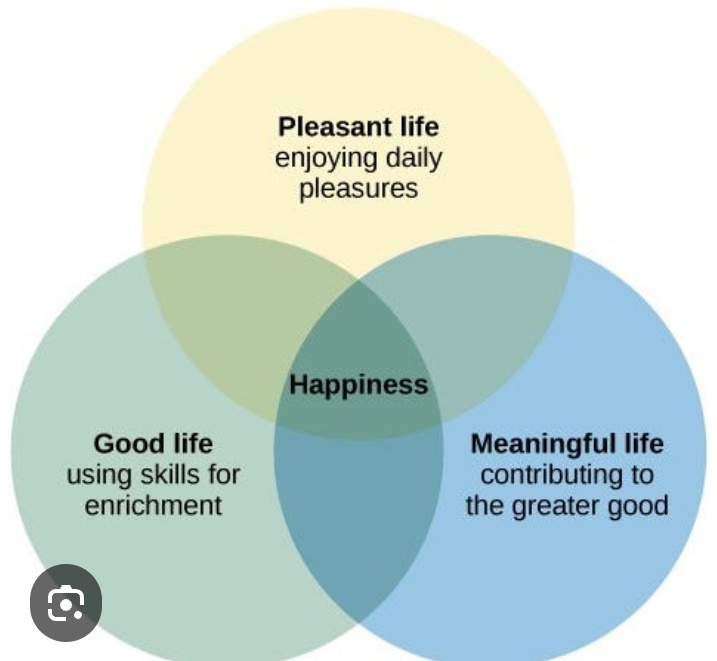
Dr. Seligmen identified 5 Pillars of Happiness:

Positive Emotion, Engagement, Relationships, Meaning, and Accomplishments.

The 3 Secrets of Happiness:

Gratitude, Joyful Optimism and Love.
Google.com

Structure of the GNH Index:

There are psychological wellbeing, health,time use and balance, education,cultural diversity and resilience,good governance,community vitality, ecological diversity and resilience and living standard.

How to Become Happy in 30 Seconds or Less!
Google.com

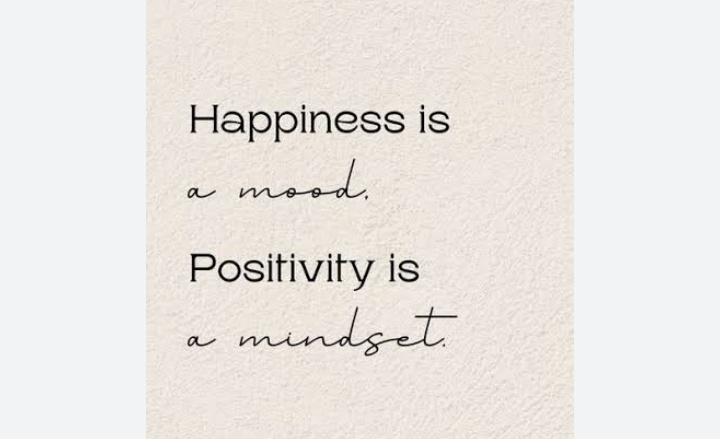
This knowledge about happiness states that 50% of our happiness is determined by genetics, 10% by our circumstances and 40% by our internal state of mind.

This rule originates from the book “The How Of Happiness” written by Sonja Lyubomirsky. A lot of people and even psychologists live by this rule.
Google.com


Take one deep breath.
Find something in your day that triggers a feeling of gratitude. Take time to appreciate something that didn’t happen during your day.
Smile.
Slap a label on your negative feelings.
Sit up straight.
Notice the small pleasures in life and appreciate them.
Google.com

90% of our happiness is determined not by our genes or environment, but by our perception of the world.

Tenth Lesson: Emotional Shutdown ♠️

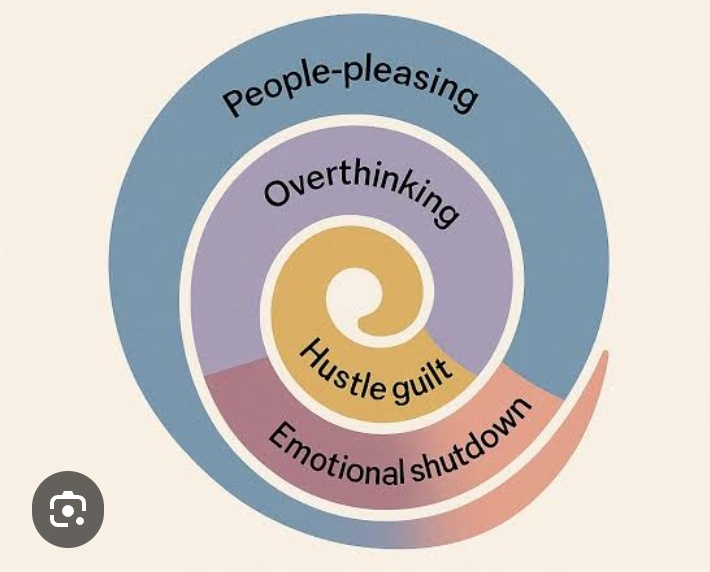
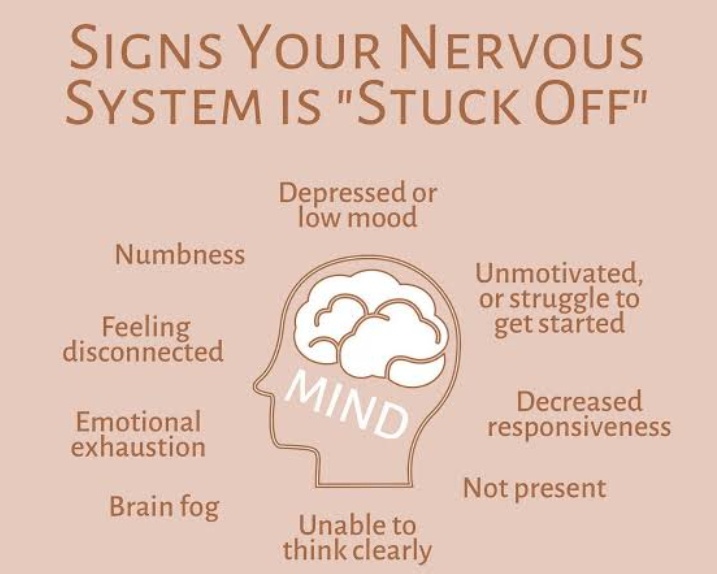
Emotional shutdown is a protective often unconscious, state where your brain disconnects from feelings, thoughts and the world to cope with overwhelming stress, trauma, or emotional overload, acting like a “freeze” response.

When fight or flight are not options,leading to numbness, withdrawal,detachment and feeling “checked out”.

It’s your nervous system’s way of self-preservation,not a conscious choice and can feel like going blank,losing words, or a sense of unreality.

Google.com

Key Characteristics:


Emotional Numbness:

A muted or absent emotional response,feeling detached.


Dissociation:

Feeling unreal, spaced out or disconnected from your body or surroundings.


Withdrawal:

Pulling back from interactions, becoming quiet or isolating.


Cognitive Fog:

Difficulty thinking clearly, making decisions or speaking.


Physical Manifestations:

Slowed heart rate, fatigue or feeling frozen.


Why it happens?


Overload:

Too much stress, sensory input or emotional intensity.


Trauma:

A response to past or present traumatic experiences.


Chronic Stress/Burnout:

When coping mechanisms are exhausted.


Learned Behavior:

A survival strategy developed in childhood if emotions were unsafe to express.

Google.com


What it looks like!


Suddenly going silent during an argument.


Zoning out during intense moments.


Feeling indifferent to things you once cared about.


Appearing flat or distant,even when smiling.


It’s a defense mechanism,not a character flaw,designed to keep you safe.

Google.com

Importance:


Recognizing it is key to addressing underlying stress and reconnecting with your emotions and others.

Google.com

Ninth Lesson: Vulnerability 🔥✨

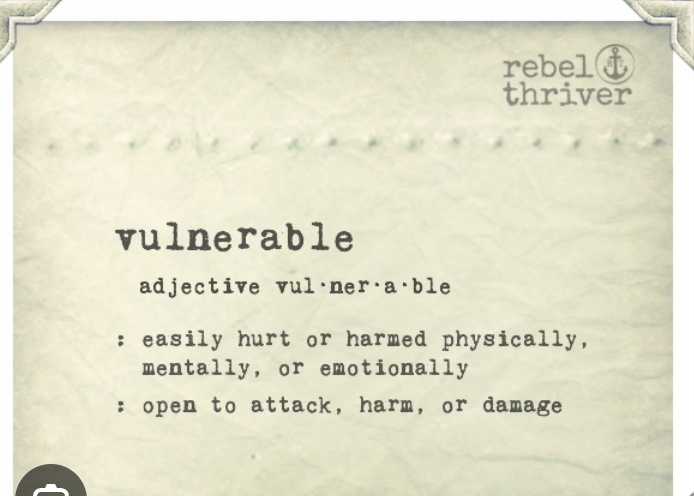
Vulnerability refers to “the quality or state of being exposed to the possibility of being attacked or harmed, either physically or emotionally.”

The understanding of social and environmental vulnerability,as a methodological approach, involves the analysis of the risks and assets of disadvantaged groups.

Google.com

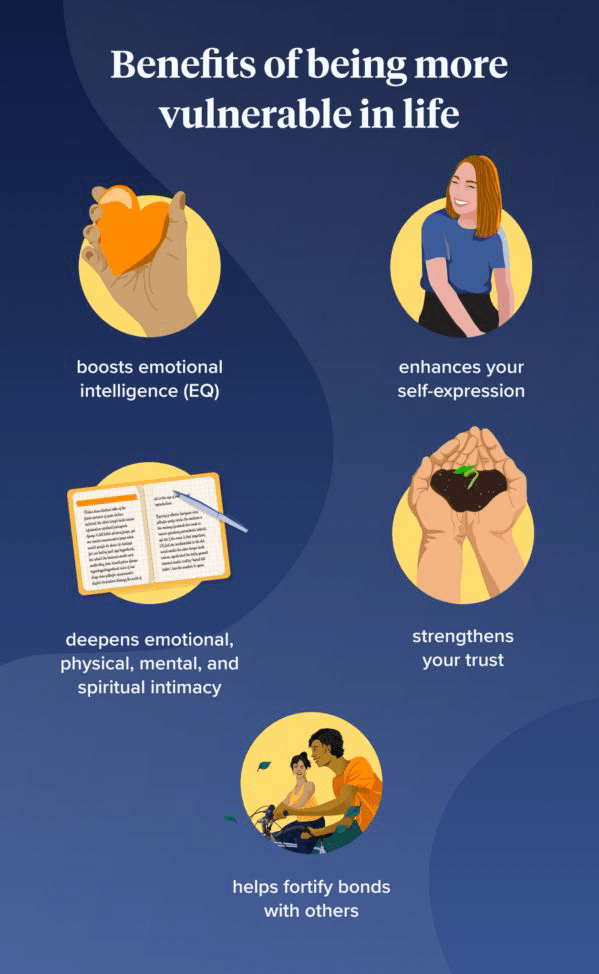
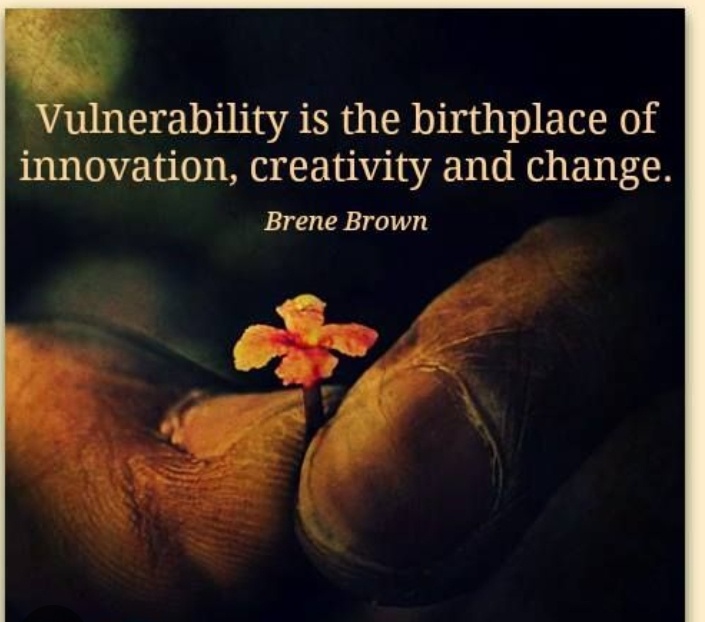
However, vulnerability is not weakness.Vulnerability is the core of emotions and feelings.If we prevent ourselves from being vulnerable,we foreclose on experiencing our emotions.

Google.com

Our attempts to prevent shame,embarrassment and sadness also prevent us from experiencing love,belonging, joy, and empathy.

Google.com

Key Signs Of Vulnerability:


Appearance and Atmosphere:

What you see first,including physical problems such as bleeding.


Behaviour:

What individuals are doing and if this is appropriate behaviour given the situation.


Communication:

What individuals say and how they say it.

Vulnerability is most often associated with poverty but it can also arise when people are isolated,insecure and defenseless in the face of risk, shock or stress.

Google.com

Four Stages Of Vulnerability:


A vulnerability management process can vary between environments but most should follow these four stages, typically performed by a combination of human and technological resources:


Identifying vulnerabilities.


Evaluating vulnerabilities.


Ereating vulnerabilities.


Reporting vulnerabilities.

There are three dimensions of vulnerability:

Exposure,Sensitivity and Adaptive capacity.

Google.com

People may become vulnerable due to their age,personal circumstances or external influences such as intoxication, harassment or exploitation.

Eighth Lesson: Selfishness 🌞🔜

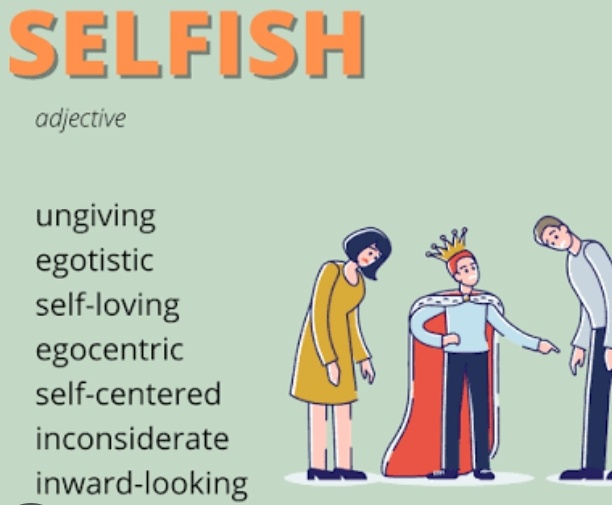
Eighth Lesson is Selfishness”, define as “Concerned  Excessively or Exclusively with One-self:”

OR

“Seeking or concentrating on one’s own advantage, pleasure, or well-being without regard for others.”

&

“Arising from concern with one’s own welfare or advantage in disregard of others.”

People who exhibit selfishness tend to have a pattern of acting in their own self-interests with no regard for who they may hurt along the way.

It can be exhausting and painful to have a relationship with a selfish person who doesn’t seem to care about you or your needs.

Google.com

Measure of selfishness with Three Main Subtypes:

Egocentric,

Adaptive &

Pathological.

According to mental health experts,Selfishness stems from genetic predispositions and behavior learned during childhood development from family members.

Mental health issues such as Narcissistic Personality Disorder, depression and anxiety can lead to selfishness.

Google.com

Self-obsession means we are more prone to worry and mental health problems. Selfishness may make it easier for us to fall into traps like addiction.

Google.com

Our selfishness can mean we hurt others as we ruthlessly strive to satisfy our own needs.

Self-centeredness can damage our reputation and lead to loneliness.

Google.com

Narcissistic personality disorder is a mental health condition in which people have an unreasonably high sense of their own importance.

They need and seek too much attention and want people to admire them.

People with this disorder may lack the ability to understand or care about the feelings of others.

Google.com

Seventh Lesson:Truth ⚖️💫

Truth is important.

Believing what is not true is apt to spoil people’s plans and may even cost them their lives. Telling what is not true may result in legal and social penalties.

Conversely,a dedicated pursuit of truth characterizes the good scientist, the good historian, and the good detective.

Google.com

There are Seven Varieties of Truth :

(1) Physical truth, (2) Historical truth, (3)Narrative truth, (4) Poetic truth, (5) Manufactured truth, (6 ) Judicial truth, and (7) Existential truth.

Truth gives us strength and power to overcome any challenge in life.

Google.com

There are situations that might not turn favourable but there will be always a satisfaction in heart that you never gave up on what was true in life.

Google.com

Embracing truth brings benefits like stronger relationships through trust, improved mental/physical health (less stress, tension),enhanced self-respect & authenticity, clearer decision-making, personal growth and inspiring integrity in others,creating a more peaceful,accountable, and genuinely connected life and society.

It simplifies life by removing the burden of lies and fosters deep inner peace and purpose.


Individual & Mental Health Benefits:


Reduces Stress & Anxiety:

Less worry about being caught in lies, leading to fewer headaches and less tension.


Boosts Self-Esteem:

Aligns actions with values, creating authenticity, confidence, and self-respect.


Fosters Inner Peace:

Freedom from fear and shame, leading to a more manageable and joyful life.


Enhances Self-Awareness:

Helps you recognize your true self, values and life purpose.


Relationships & Social Benefits:

Builds Trust:

Creates a foundation for deep, reliable connections in friendships and business.


Improves Intimacy:

Deepens closeness with partners and others through honest sharing.


Encourages Others:

Inspires integrity and accountability in those around you.

Allows for direct,constructive dialogue,leading to harmony.


Promotes Resolution:


Growth & Practical Benefits:


Drives Accountability:

Encourages ownership of mistakes, enabling growth.


Simplifies Decisions:

Makes subjective choices easier by aligning with core values.


Empowers Resilience:

Strengthens your ability to handle challenges.


Deepens Learning:

Truth-checking can improve the learning of new information.


Spiritual & Authentic Living Benefits:

Authentic Self-Expression:

Frees you to be your genuine self.


Closer Connection:

Can lead to a stronger spiritual connection and ability to discern truth.


Freedom:

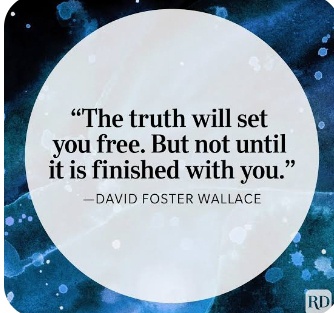
“The truth will set you free,” freeing you from sin’s guilt and consequences.

Google.com
Google.com

As They Say,

They believed I was innocent
So I’m not here for judgment, no,Ooh💫✨
But if you can’t be good, then just be better at it ♠️♦️

Google.com

Design a site like this with WordPress.com
Get started