HOW TO SPECIFY IF A PERSON HAS FROZEN SHOULDER / TEST FOR FROZEN SHOULDER.

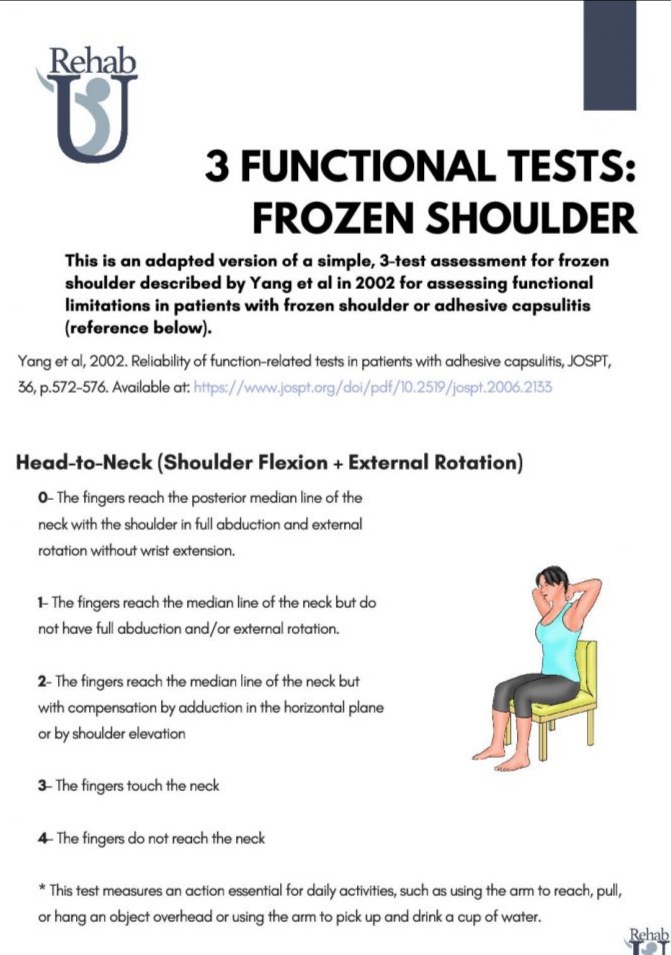
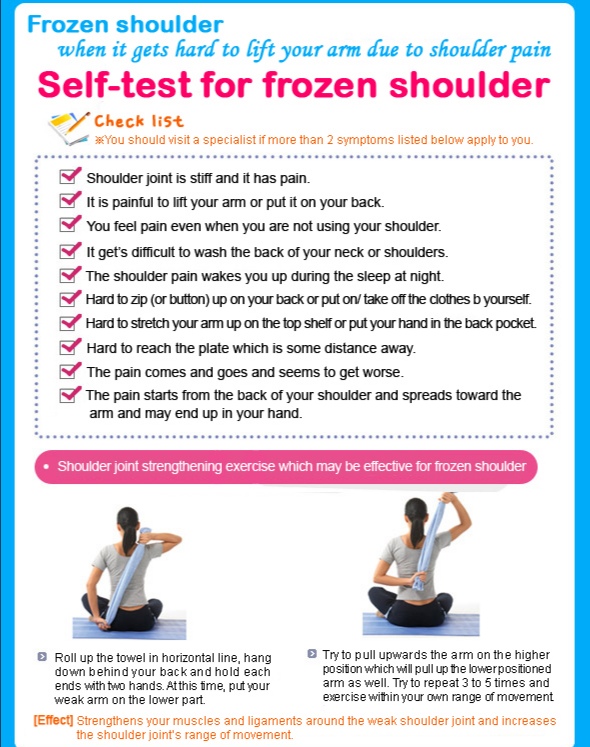
There really is no special test or diagnostic test, like an x-ray, for a frozen shoulder. The diagnosis is made by observation of the mobility of your shoulder. Usually, a painful loss of motion while lifting your arm forward, out to the side, and through rotation indicates a frozen shoulder.
FROZEN SHOULDER.

A physical exam is usually enough to diagnose frozen shoulder, but your doctor may also order imaging tests such as X – Ray.

In some cases, your doctor might inject your shoulder with a numbing medicine to determine your passive and active range of motion. Frozen shoulder can usually be diagnosed from signs and symptoms alone. But your doctor may suggest imaging tests such as X-rays or an MRI to rule out other problems.
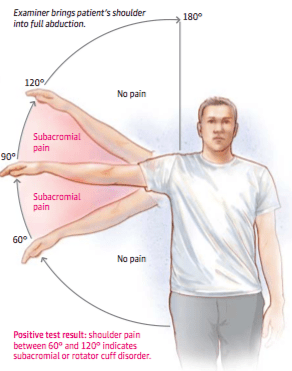
POSITIVE TEST RESULT FOR FROZEN SHOULDER.

APLEY’S SCRATCH TEST :

The Apley scratch test is another useful maneuver to assess shoulder range of motion. In this test, abduction and external rotation are measured by having the patient reach behind the head and touch the superior aspect of the opposite scapula.
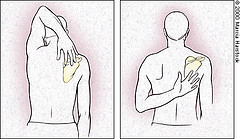
APLEY’S SCRATCH TEST.

The Apley scratch test movement has two parts to it:

Step one:

It involves one arm abducting, and externally rotating with the fingers pointing down the spine reaching as far behind you as you can, like reaching to scratch your back.


Step two:

It involves the other arm adducting, and internally rotating with the fingers pointing up the spine, like reaching to put a bra strap on.
SOUND OF CHIRPING BIRDS.

Good morning, sunshine!

Welcome a brand-new morning with a smile Wake up more cheerful, meaningful, and wake up in a brand-new day with happiness, positive thoughts and good things will come your way!

Sound of chirping birds is the best morning meditation music in the world.
Feel relaxed!

Wakey-wakey!

Morning is an important time of day, because how you spend your morning can often tell you what kind of day you are going to spend.

Morning, good looking!

STAGES OF FROZEN SHOULDER :

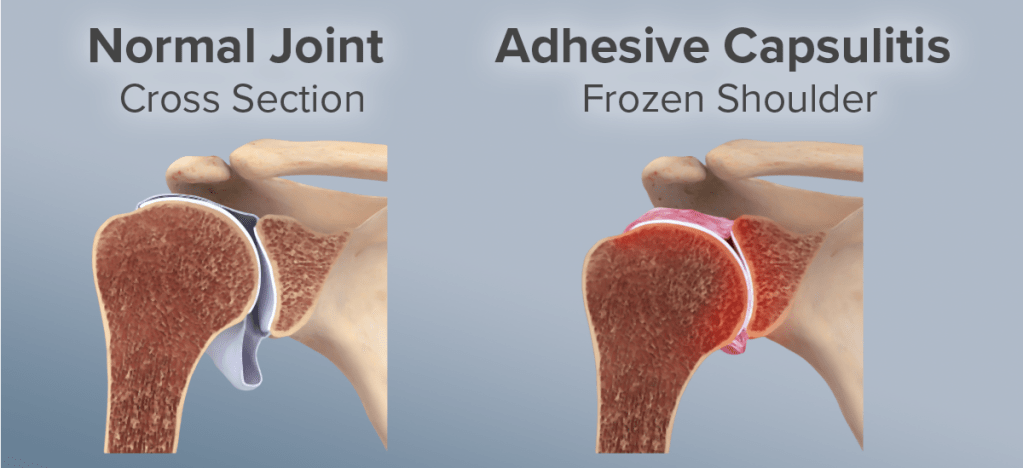
NORMAL SHOULDER JOINT VS ABNORMAL SHOULDER JOINT
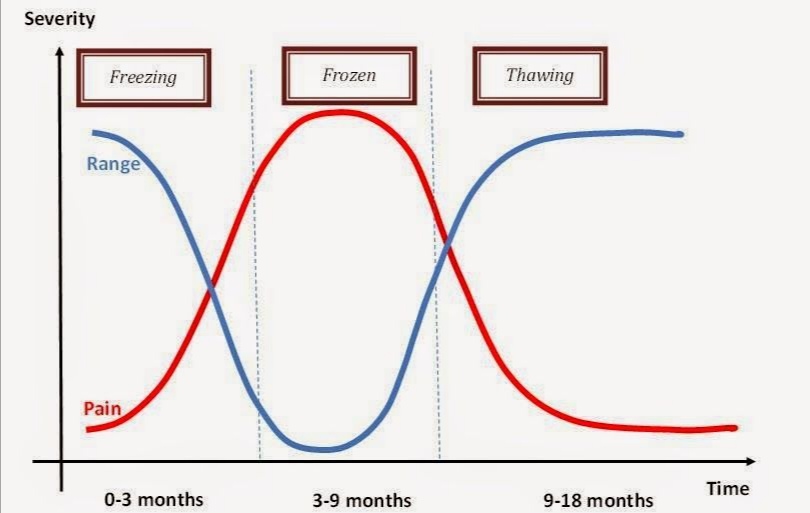
FROZEN SHOULDER STAGES.

DESCRIPTION :

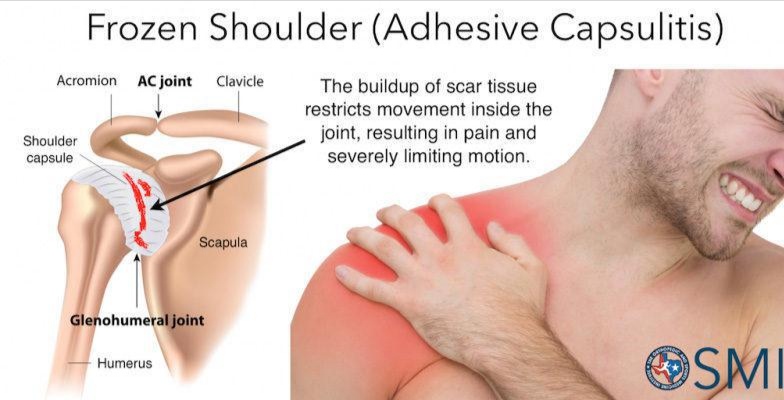
So, it is exactly as the name suggests, shoulder becomes “frozen” due to pain and stiffness. This condition, medically known as adhesive capsulitis, occurs in roughly 2% of the general population and usually in women between the ages of 40 and 60.

In someone with frozen shoulder, though, the capsule thickens and becomes tight. Stiff tissues called adhesions develop, and generally, there is less synovial fluid. All of this combines to prevent movement in your shoulder with or without help.

STAGES OF FROZEN SHOULDER :


With Frozen Shoulder, there are typically three stages:

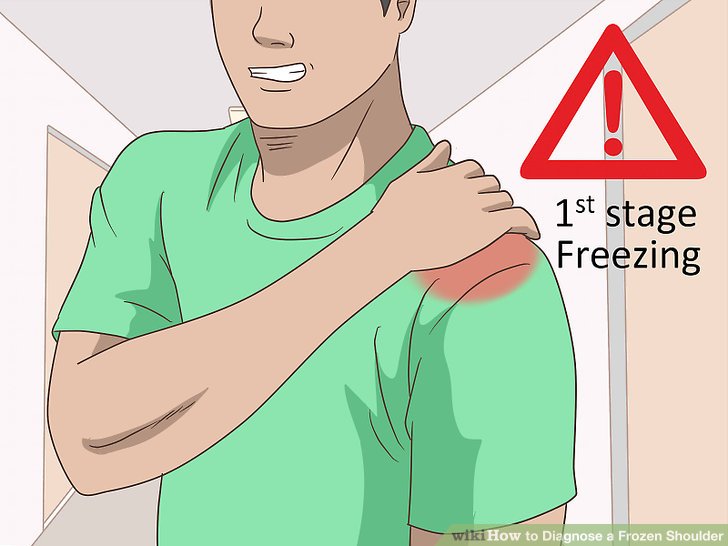
1.Freezing Stage: Shoulder becomes increasingly painful, and you slowly lose range of motion. This usually occurs over 6 to 9 weeks.

STAGE 1:FREEZING


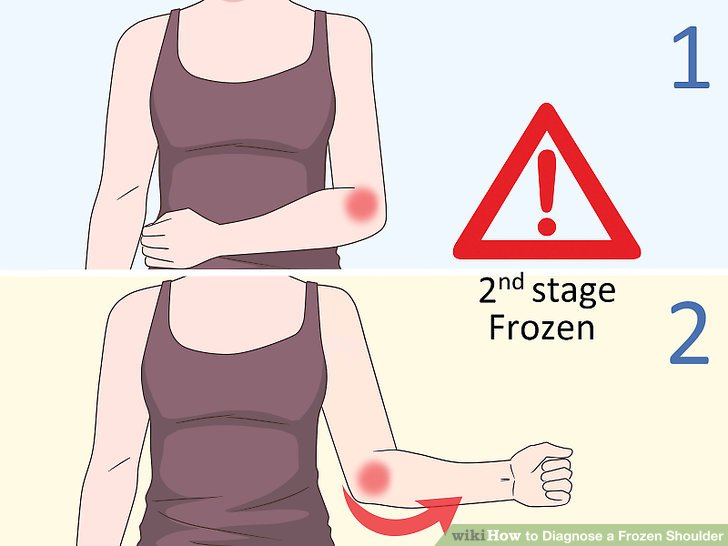
2.Frozen Stage:

This stage immediately follows the freezing stage and is usually less painful though the stiffness remains. This usually lasts roughly 4 to 6 months making daily activities very difficult.

STAGE 2:FROZEN


3.Thawing Stage:

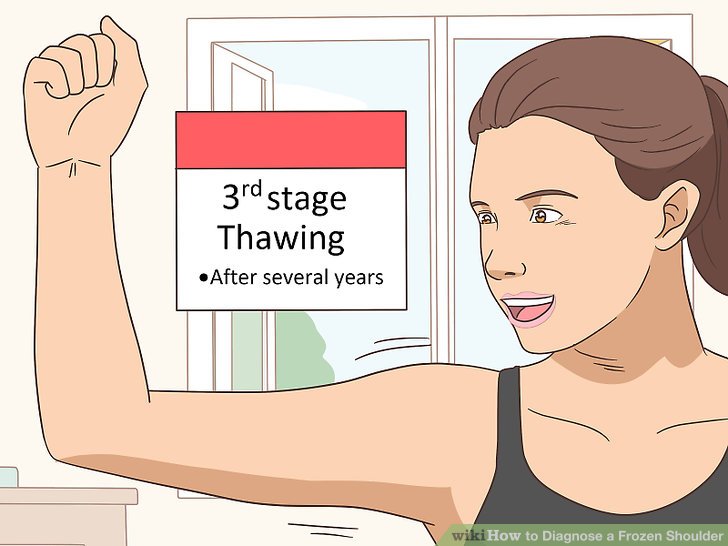
This stage is where the shoulder slowly improves with either a complete return to normal or close to normal strength and motion. This usually takes anywhere from 6 months to 2 years to happen.

STAGE 3:THAWING

START YOUR DAY WITH A BEAUTIFUL MORNING!

Wake up and close your eyes before getting out of bed and whisper, “Thank you for the gift of this new day.”
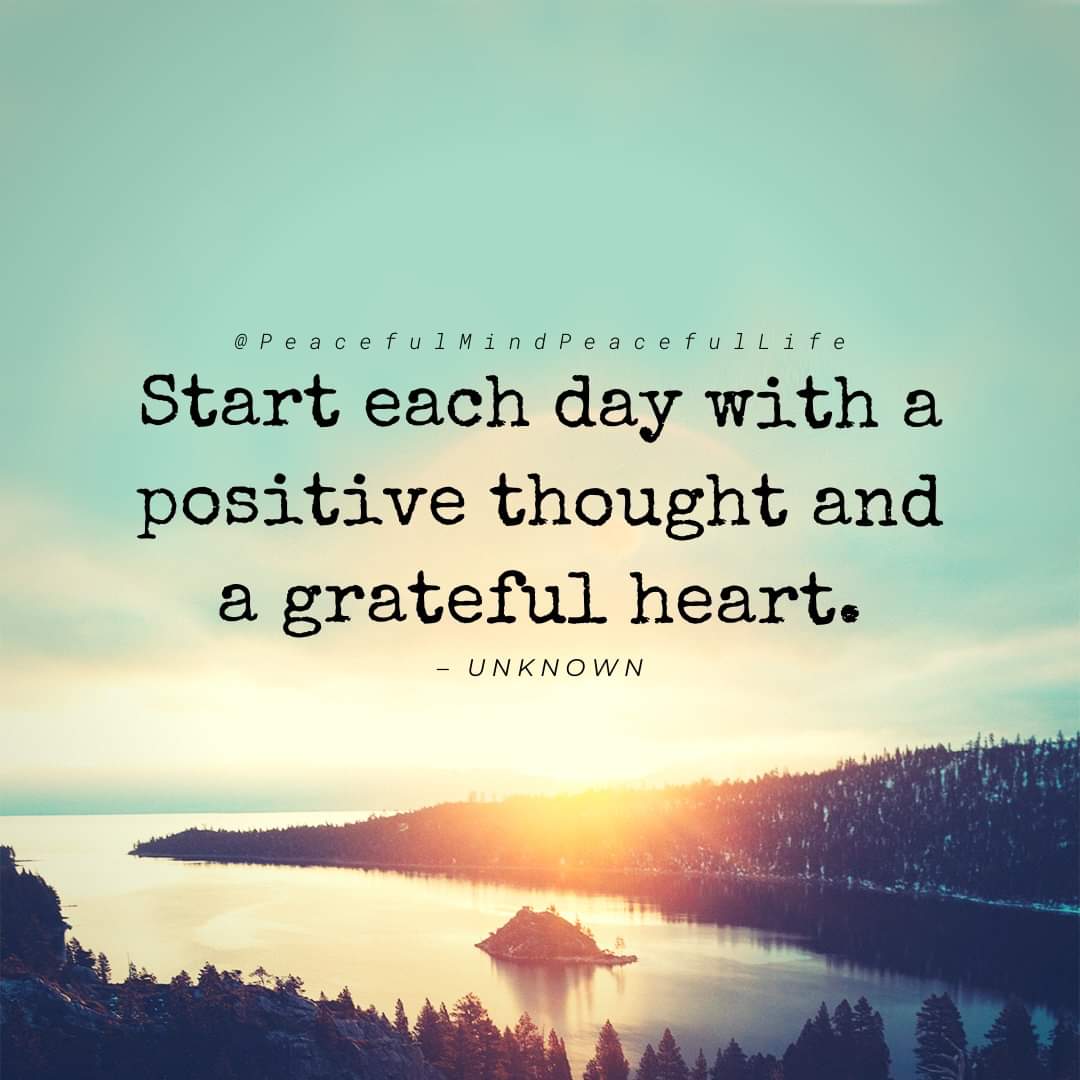
Beginning the day with a grateful heart will be the foundation, this sets the tone for your patience, perseverance, and kindness as you step into your day my loves.
Each new day brings new opportunities. You have to search to be able to find these opportunities. Each new day offers the chance to start afresh, to achieve those things you most desire. When you arise in the morning, think of what a precious privilege it is to be alive – to breathe, to think, to enjoy, to love.

Keep your face to the sunshine and you cannot see a shadow.” — Helen Keller.


“ Once you replace negative thoughts with positive ones, you’ll start having positive results.”

DON’T BE SURPRISED, I WILL STILL RISE!


“ Yesterday is not ours to recover, but tomorrow is ours to win or lose.”

We are so often hit with negativity—negative news from pessimistic people that it might seem next to impossible to continue on with a positive spirit. Instead of getting stuck in the negativity, turn to those habitually optimistic people who have figured out how to see the brighter side of life and remain positive no matter whatso you can learn to do the same.

Here are some quotes about positivity from well-known people who have faced failure and success, who despite certain odds and challenges stayed positive. Use their words to get you going on your own good vibes:


“In order to carry a positive action we must develop here a positive vision.”
— Dalai Lama

“I always like to look on the optimistic side of life, but I am realistic enough to know that life is a complex matter.”
— Walt Disney

“Positive thinking will let you do everything better than negative thinking will.”
— Zig Ziglar

positive change, the way I see it, is service to a fellow human being.”
— Lee lacocca

“Positive thinking is more than just a tagline. It changes the way we behave. And I firmly believe that when I am positive, it not only makes me better, but it also makes those around me better.”
— Harvey Mackay

RAISE YOUR GLASS.

RISE & SHINE.

PSHYCOLOGICAL EFFECTS OF COVID-19 PANDEMIC ON MENTAL HEALTH!

The outbreak of COVID-19 has progressed to the status of a global pandemic, with countries across the seven continents adversely affected and the number of human cases exceeding two million. With no available vaccine, the treatment is primarily symptomatic for those affected and preventative for those at risk. Most countries have taken action to curtail the spread of COVID-19 through measures such as lockdowns, social distancing and voluntary self-isolation. Whilst necessary, such measures and the disease itself, may have an adverse impact on mental health. In view of research from previous pandemic crises, it is known that such situations are likely to increase stress levels and have negative psychiatric effects.

EFFECTS ON ADULT POPULATION:

The impact is likely to be felt by the general public, sufferers of COVID-19, their families and friends, persons with pre-existing mental health conditions and healthcare workers including adult population mainly including college, university students and freshly graduates.


EFFECTS ON CHILDREN:

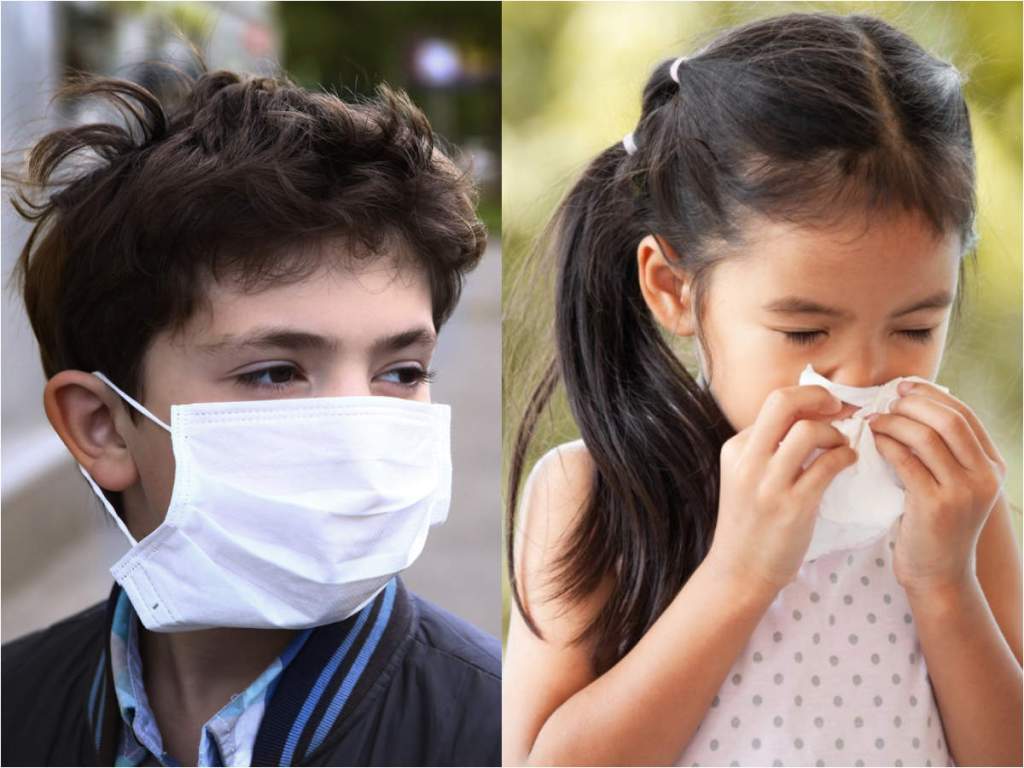
Children are likely to be experiencing worry, anxiety and fear, and this can include the types of fears that are very similar to those experienced by adults, such as a fear of dying, a fear of their relatives dying, or a fear of what it means to receive medical treatment.

If schools have closed as part of necessary measures, then children may no longer have that sense of structure and stimulation that is provided by that environment, and now they have less opportunity to be with their friends and get that social support that is essential for good mental well-being.

EFFECTS ON OLDER POPULATION :

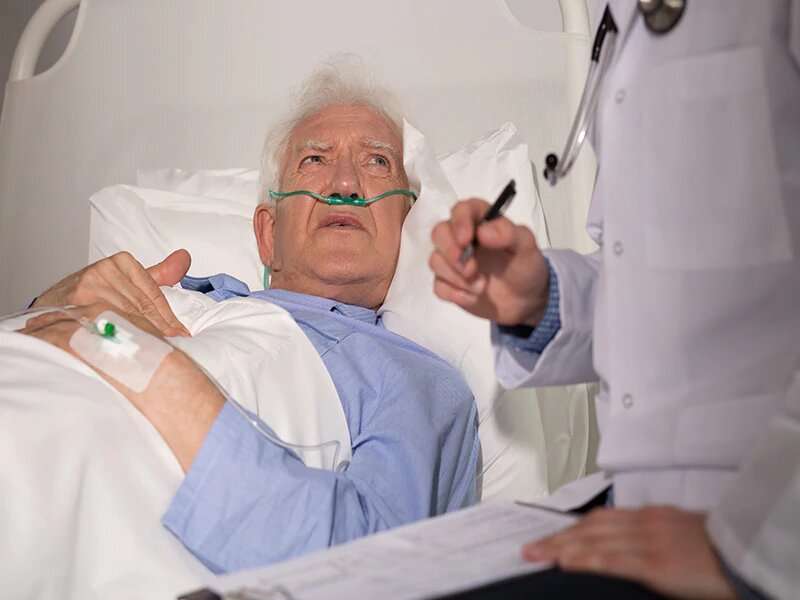
Regarding older people and also those with underlying health conditions, having been identified as more vulnerable to COVID-19, and to be told that you are very vulnerable, can be extremely frightening and very fear-inducing.

The psychological impacts for these populations can include anxiety and feeling stressed or angry. Its impacts can be particularly difficult for older people who may be experiencing cognitive decline or dementia.

So, for most people COVID-19 causes only mild illness, it can make some people very ill. More rarely, the disease can be fatal. Older people, and those with pre- existing medical conditions (such as high blood pressure, heart problems or diabetes) appear to be more vulnerable.

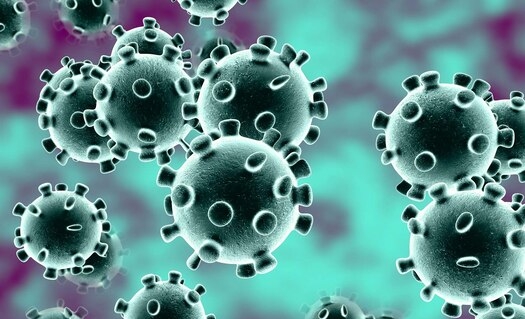
CORONAVIRUS.
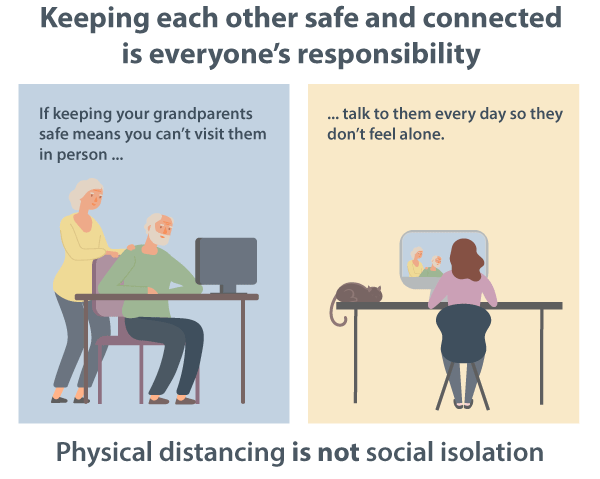
SOCIAL DISTANCING.

OLDER POPULATION.

CHILDREN
Design a site like this with WordPress.com
Get started