Hustlin’ For A Good Life,Never Thought I Meet You There🔆
We Both are Made For Each Other(Liars, Manipulators,Cheaters)I know it ain’t right but I am enjoying and loving it,living For it,Day By Day,Breath By Breath Y🫁T
U Call IT Love,I Call IT Fucqing P,C & G👽
Google.com
Actors,Cowboys,Conartists,Hustlers,Earners,Breadcrumbs,Toxic Partners it’s Addictive as You Never Gonna Reach This Play ▶️⏯️🐶
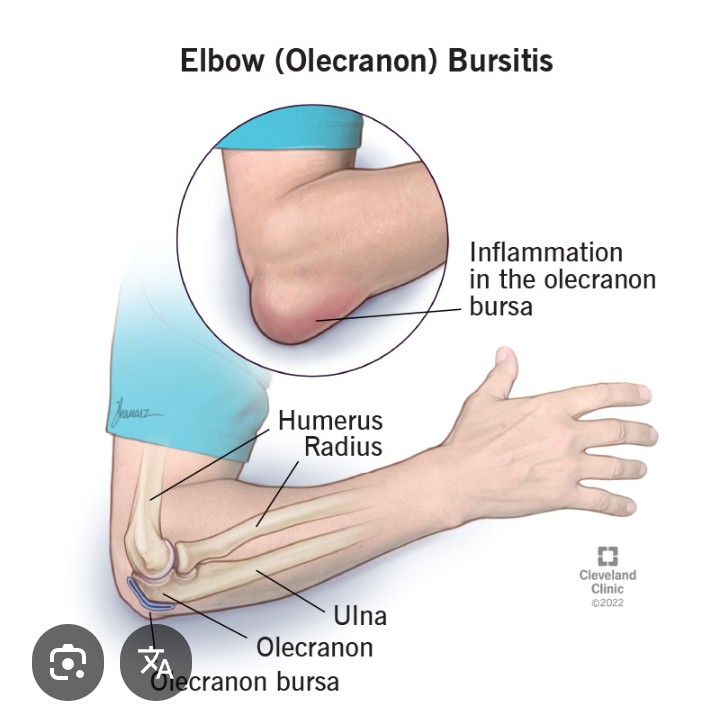
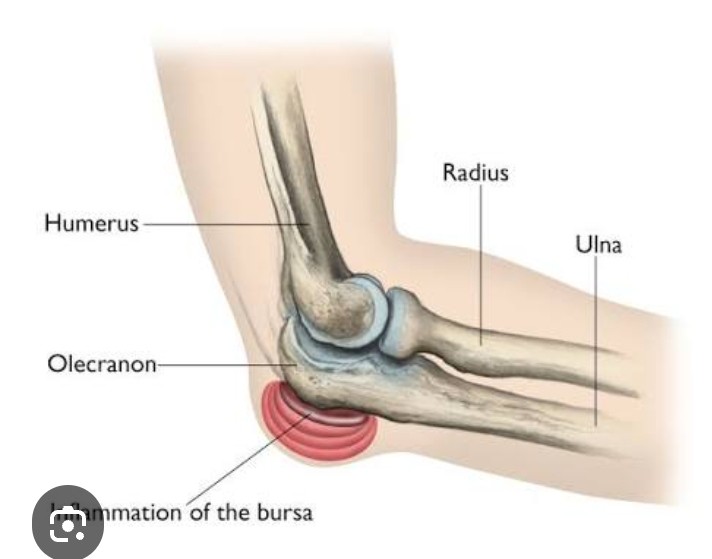
It refers to the pointy bone in your elbow. “Bursitis” refers to inflammation of a part of your body called a bursa.
Treatment:
Treatment is about easing your discomfort and taking steps to prevent or cure infection. If your elbow bursa is not infected, take the following steps:
● Protect your elbow. This could mean wearing elbow pads or a wrap to cushion it.
● Ultrasound therapy.
● Avoid activities that put direct pressure on your affected elbow.
● Take pain medicine such as ibuprofen or other anti-inflammatories to reduce the swelling and the pain. Follow your doctor’s directions and read the medicine label carefully.
If you don’t see improvements in pain and swelling in your elbow after taking these steps for 3 to 4 weeks, let your doctor know.
An injection of corticosteroid, a medication commonly used to reduce inflammation and redness, may be used to lessen the pain and swelling.
Google.comGoogle.com
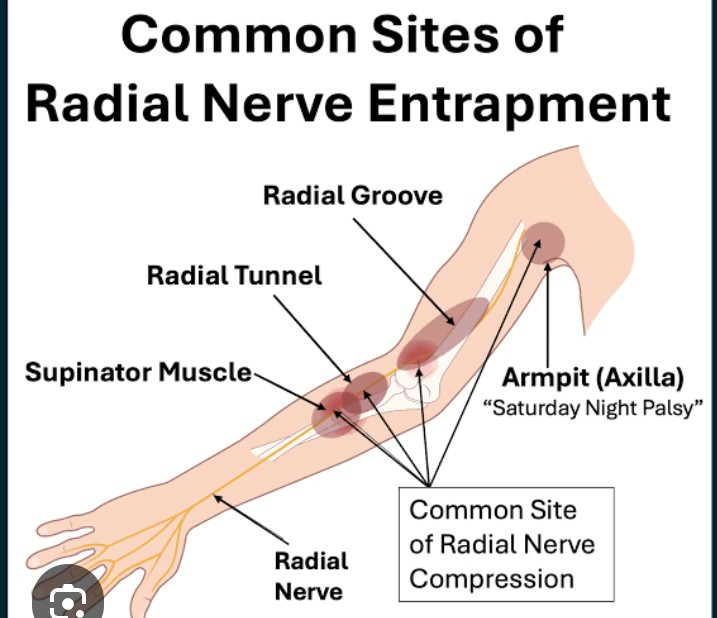
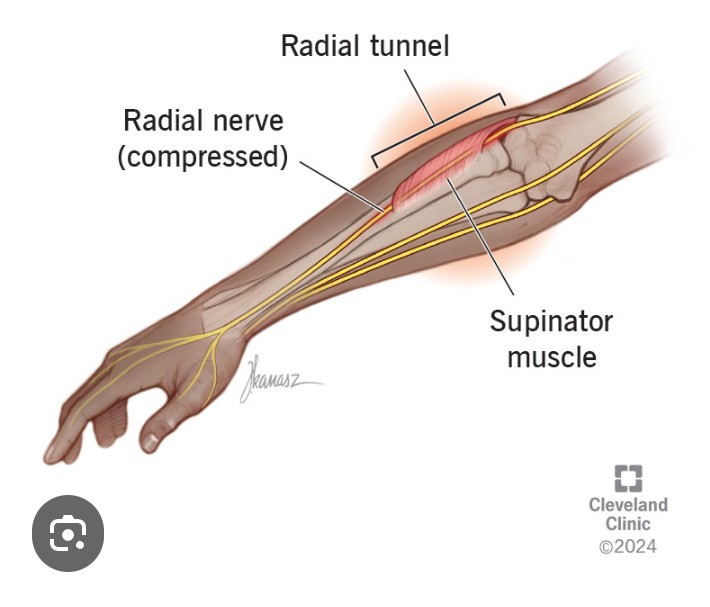
7.Radial tunnel syndrome:
It occurs when the nerve is pinched or compressed as it enters the radial tunnel.
● Taking steroid injections to relieve inflammation and pressure on the radial nerve, if necessary.
● Wearing a wrist and/or elbow splint to reduce movement and irritation on your radial nerve.
You can also utilize different physical therapy exercises to help stretch out and loosen the tight muscle/tissue around the radial nerve, some of which include:
● Wrist Extension Stretch
● Wrist Flexion Stretch
● Wrist supination
● Radial nerve glides
Post-Operative Care:
After your surgery, you will be given an elbow splint to wear home that will immobilize your arm.After removing stitches by your doctor.
Around this time, you can also begin certain activities that will improve your range of motion, including:
● A gentle exercise program, Stretching & ● Soft-tissue massages.
I heard you calling my name other day in your dreams.I know you love me and need me every time in your life and I want to be a part of your life soon.I hope,one day ‘I will love you the way you loved me from 2024,I did love you from the beginning,I know you are mine,will always be and we will never be apart from each other as you took me out of my Grave (As I built for Myself).
Google.com
Whisky,wine,sticks and stones will never break our chilly bones.The Fall 🍂 & The Summer 🌞 feelings will always be in our future.I don’t want to judge you by your past and don’t want to be judged myself by my past.Like,poison ivy and thorny flowers 🌺 buried into our graveyard.The matching scars we both have from 2023 transformed us into something we can’t understand ourselves.
Let’s continue from our previous Elbow Pathologies,the following are mentioned below:
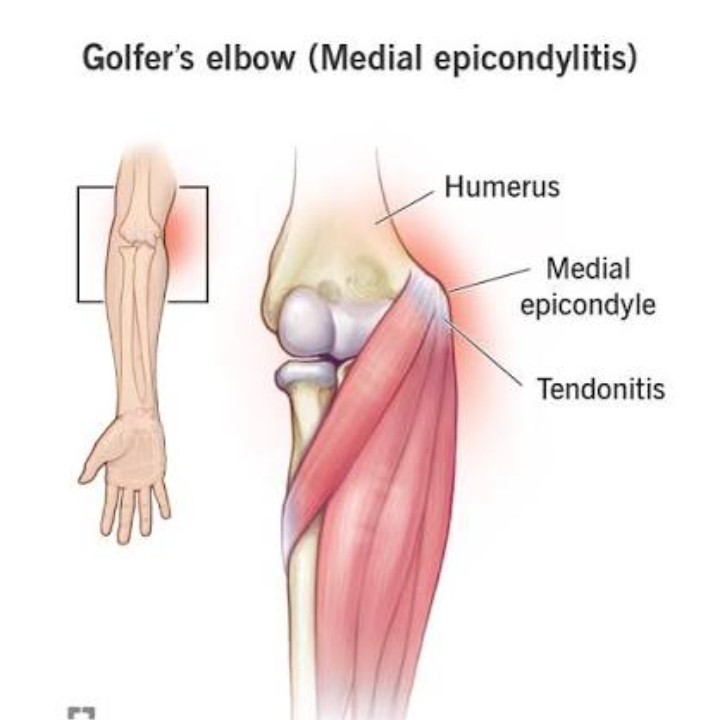
3.Golfers Elbow:
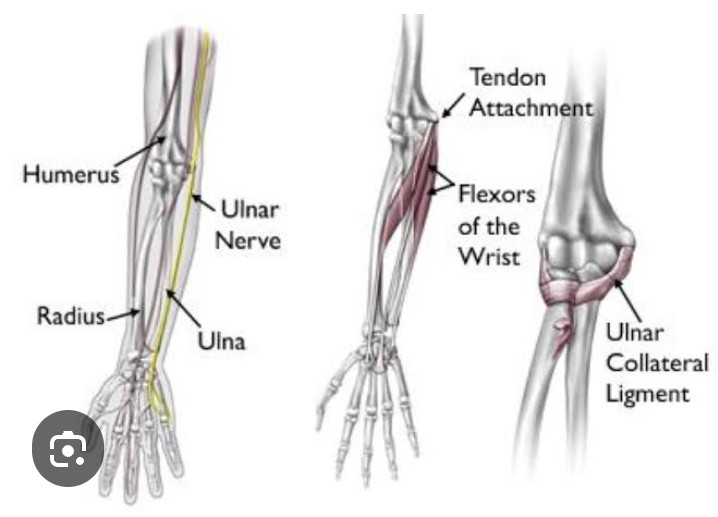
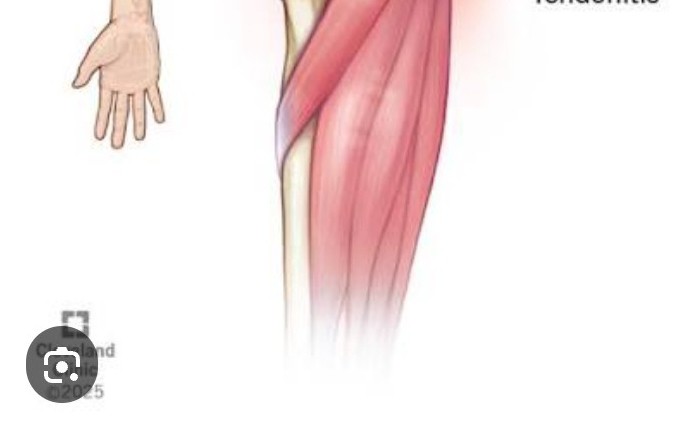
Golfer’s elbow, also called Medial Epicondylitis is a painful condition that occurs due to repeated muscle contractions in the forearm causing inflammation and micro-tears in the tendons.
Treatment:
The treatment of golfer’s elbow includes both conservative options and surgical procedures.The conservative methods include:
● Activity restrictions or rest
● Splints or braces
● Applying ice packs
● Medications
● Occupational therapy
● Pulsed ultrasound to increase blood flow to the injured tendons and promote healing.
Post-operative care:
After surgery your surgeon will give you instructions to follow depending on the type of repair performed and the surgeon’s preference.
Common Post-operative instructions include:
● A sling, cast, or splint is placed after surgery to keep the elbow immobilized.
● Elevate the elbow on pillows above the level of the heart to reduce swelling.
● Flex and open your hand to help reduce swelling.
● Apply ice packs to the area to help reduce swelling.
● Keep the incision area clean and dry.
● If the arm is in a cast, cover the cast with plastic bags and tape to your skin above the cast to keep it dry when bathing.
● Occupational Therapy is usually ordered to restore elbow function and strength.
● Medications to keep you comfortable at home.
● Eat a healthy diet and quit smoking to promote healing.
Google.com
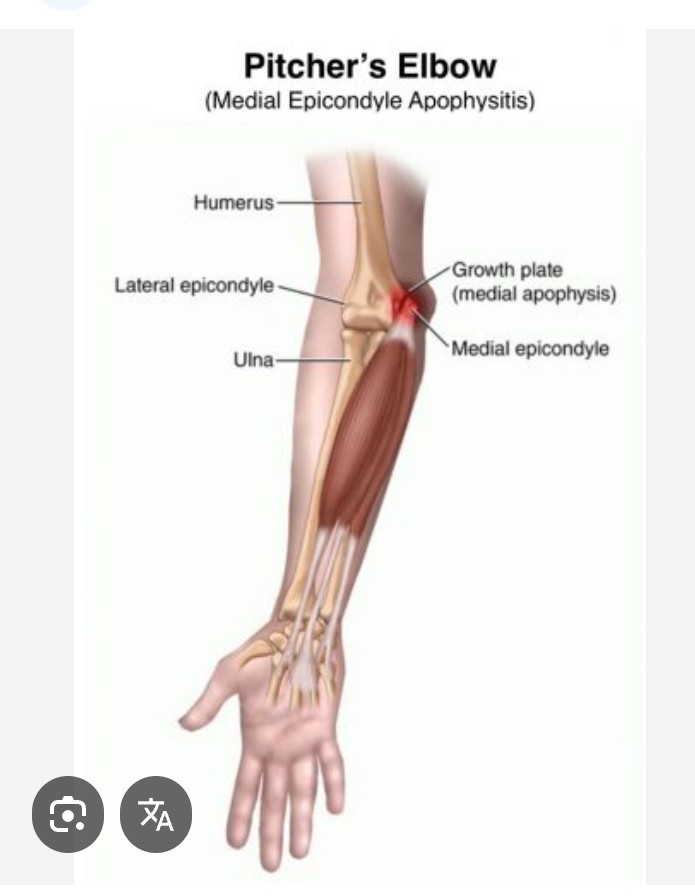
4.Throwing Injuries of the Elbow:
An athlete uses an overhand throw to achieve greater speed and distance.
Repeated throwing in sports such as baseball and basketball can place a lot of stress on the joints of the arm, and lead to weakening and ultimately, injury to the structures in the elbow.
Treatment:
● Treatment such as rest, ice application, physical therapy,anti-inflammatory medication and a modification of activity and throwing technique.
● Laser therapy, light therapy, bipolar interferential current, transcutaneous electrical nerve stimulation (TENS), pulsed electromagnetic field therapy, iontophoresis and phonophoresis.
Post-Operative Care:
Four to six weeks of rehabilitation is recommended following surgery to prevent stiffness and improve strength and range of motion.
● Occupational Therapy is usually ordered to restore elbow function and strength.
● Medications to keep you comfortable at home.
● Eat a healthy diet and quit smoking to promote healing.
Google.comGoogle.com
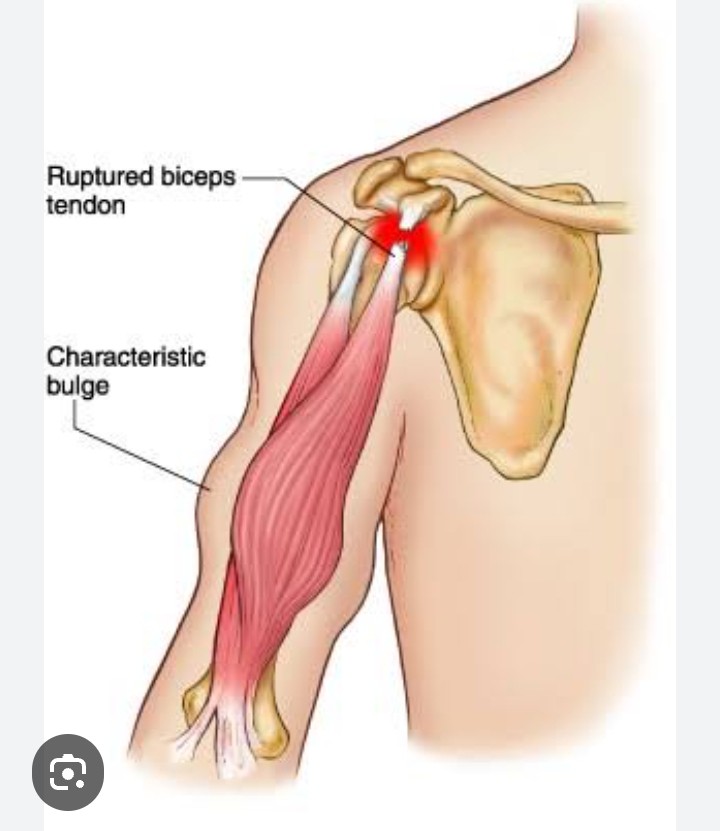
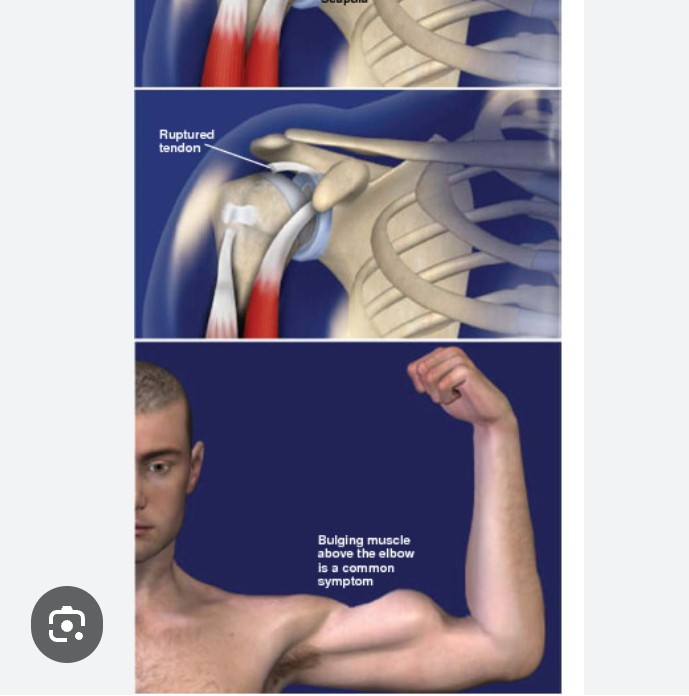
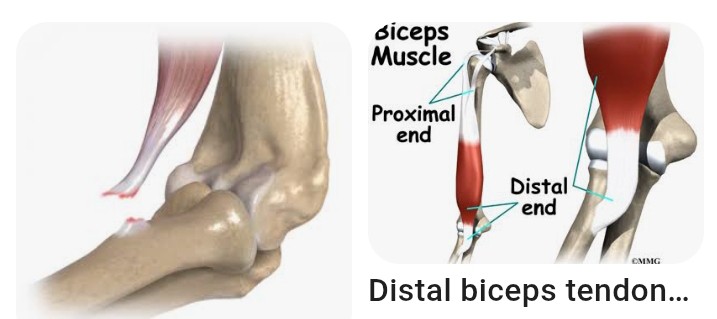
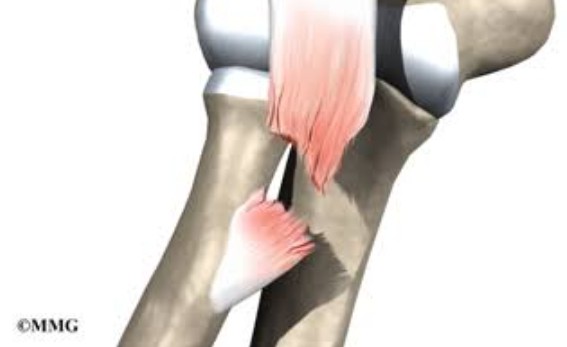
5.Bicep Tendon Rupture:
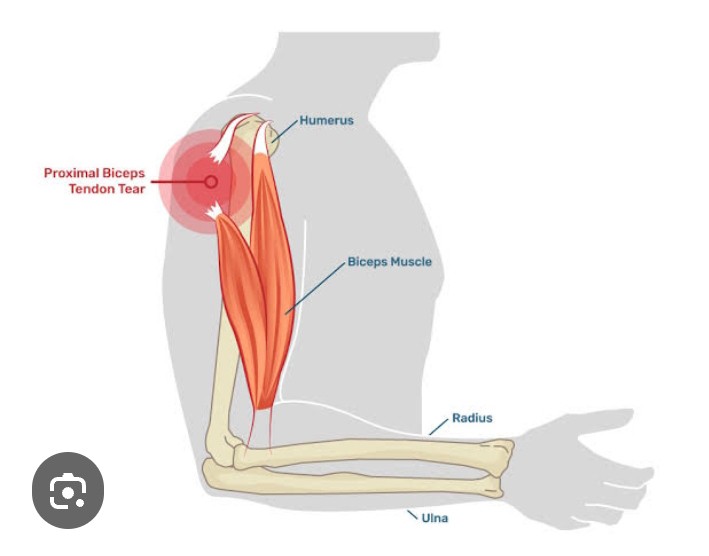
The biceps muscle is present on the front side of your upper arm and functions to help you bend and rotate your arm.
Two Types:
1.Partial, where it does not completely tear the tendon, or complete, where the biceps tendon completely splits in two and is torn away from the bone.
2.The Biceps tendon can tear at the shoulder joint or elbow joint.The majority of biceps tendon ruptures occurs at the shoulder and is referred to as proximal biceps tendon rupture.
Treatment:
Nonsurgical Treatment:
Nonsurgical treatment is an option for patients whose injury is limited to the top of the biceps tendon.
Nonsurgical treatment includes:
● Rest: A sling is used to rest the shoulder and you are advised to avoid overhead activities and heavy lifting until healed.
● Ice: Applying ice packs for 20 minutes at a time, 3 to 4 times a day, helps reduce swelling.
● Medications: Non-steroidal anti-inflammatory medicines help reduce pain and swelling.
● Physical therapy: Strengthening and flexibility exercises help restore strength and mobility to the shoulder joint.
● Ultrasound,Infrared and Laser therapy.
Post-Operative Care:
Around this time, you can also begin certain activities that will improve your range of motion, including:
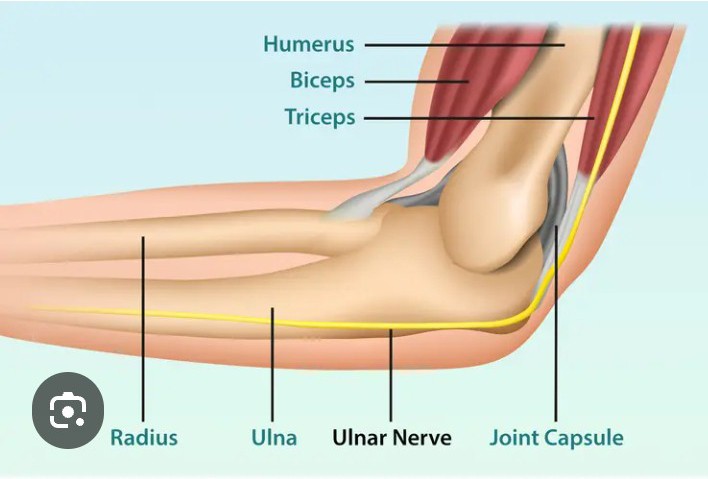
1.Cubital Tunnel Syndrome: It is a condition characterized by compression of the ulnar nerve in an area of the elbow called the cubital tunnel.
Treatment:
Conservative treatment options may include:
● Avoid frequent bending of the elbow.
● Ultrasound therapy,Laser treatment,NCS and TENS.
● Avoid pressure to the elbow by not leaning on it.
● Elbow pads may be worn to decrease pressure when working at a desk.
● Wear a brace or splint at night while sleeping to keep the elbow in a straight position.
● Avoid activities that tend to bring on the symptoms.
● NSAIDs (Non-Steroidal Anti-Inflammatory Drugs) such as ibuprofen or aspirin may be ordered to reduce swelling.
● Referral to OT (Occupational Therapy) for instruction in strengthening and stretching exercises.
Post-Operative Care: Common post-operative guidelines include:
● A bulky dressing with a plaster splint is usually applied following surgery for 10-14 days.
● Elevating the arm above heart level and moving the fingers are important to prevent swelling.
● The arm dressing is removed after 10-14 days for removal of the sutures.
● Elbow immobilization for 3 weeks after surgery is usually indicated.
● Ice packs are applied to the surgical area to reduce swelling.
● Keep the surgical incision clean and dry.
● Occupational Therapy will be ordered a few weeks after surgery for strengthening and stretching exercises.
Google.com
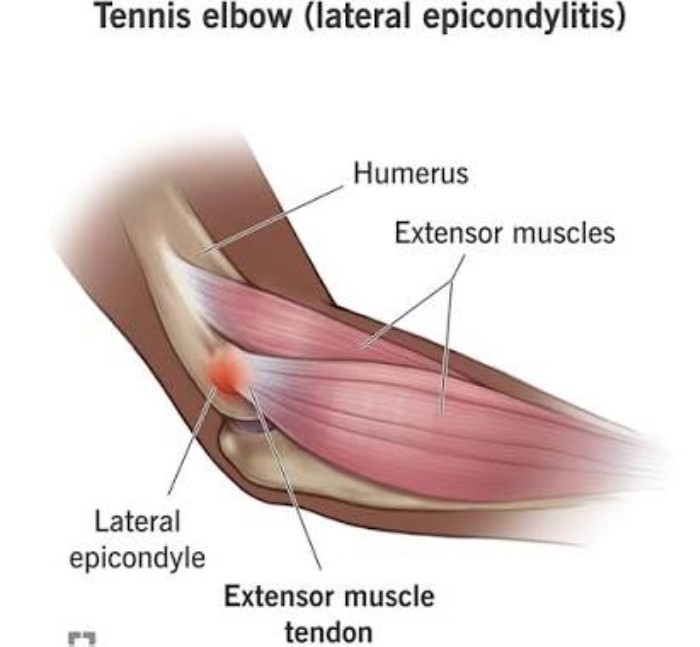
2.Tennis Elbow:
Tennis elbow, also known as lateral epicondylitis, is a condition characterized by elbow pain due to overuse or overstretching of the elbow.
Treatment:
Surgery is indicated in case of severe pain and stiffness of the elbow joint.
Various non-surgical modes of treatment include:
● Rest: Complete restriction of activities for a few weeks to lessen strain on your elbow.
Elbow straps, braces or splints may be used to support the elbow and minimize the excessive stress on the damaged tendons and muscles.
● Medications:
Take medications as prescribed by your doctor to reduce pain and inflammation.
● Physical or occupational therapy:
Learn appropriate hand exercises that help strengthen your forearm muscles. Various modalities of physical therapy such as massage, ultrasound, and muscle stimulation may also be performed to improve the affected muscle strength.
● Laser therapy, light therapy, bipolar interferential current, transcutaneous electrical nerve stimulation (TENS), pulsed electromagnetic field therapy, iontophoresis and phonophoresis.
● Use proper equipment.
● Apply ice bags wrapped in a towel over the affected elbow for 15-20 minute.
● Extracorporeal Shock Wave Therapy is a mode of therapeutic treatment for soft tissue injuries.
● Corticosteroid injections (anti-inflammatories) relieve pain and stiffness when injected to the affected muscle.
● Acupuncture treatment.
● Surgery is considered as the last treatment option. It is recommended if the patient has unrelieved pain despite other treatments for more than 6 months.
Post-operative care:
You may have to wear a temporary splint immediately after surgery, to prevent arm movements. Sutures along with the splint are removed one to two weeks after the surgery. Your surgeon will recommend stretching and strengthening exercises to follow for a successful recovery.


 PHYSIOHEALER.