It defines “State of deeply felt distress or sorrow or unhappiness,as characterized by emotions ranging from mild discontentment to deep grief, emotions experienced when not in a state of well-being.”
Sadness is an emotional pain associated with or characterized by,feelings of disadvantage,loss,despair,grief, helplessness,disappointment and sorrow.
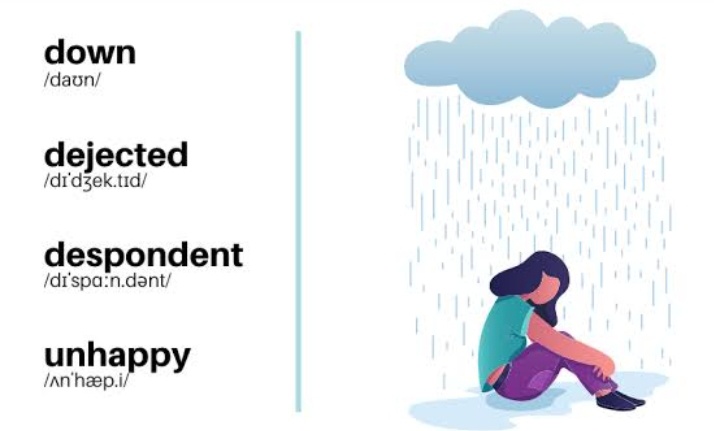
Main Causes of Sadness:
Causes – Depression in Adults:
Stressful Events:
Most people take time to come to terms with stressful events, such as bereavement or a relationship breakdown.
Personality.
Family history.
Pregnancy and giving birth.
Menopause.
Loneliness.
Alcohol and Drugs.
Illness.
Sadness is an emotion that organizes our behavioral responses to losses of someone or something important and/or to something not attained.
Sadness reminds us of what matters to us.
It can focus our attention on pursuing values,important goals and communicating to others that we need support.

Neuroimaging Studies – including meta-analyses – indicate that sadness is associated with reduced cortical activation,which may contribute to reduced parasympathetic inhibitory control over medullary cardioacceleratory circuits.
Sadness is valid and useful;it alerts us to how we need to treat ourselves, and also as to how we want to be treated by others.
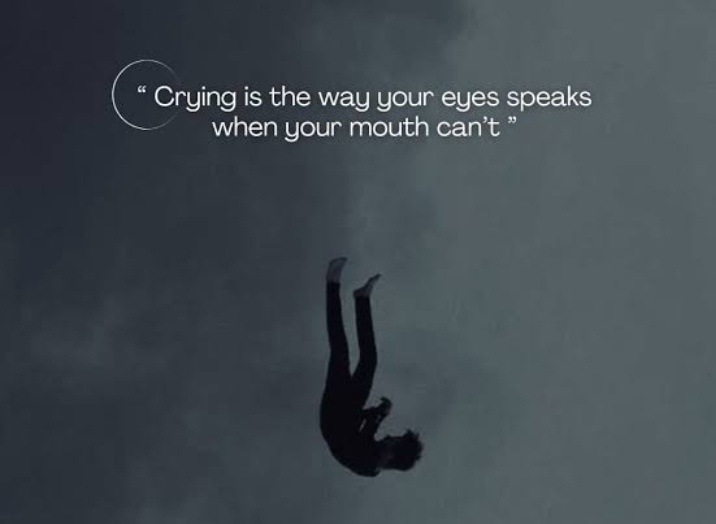
Psychological Symptoms:
Having low self-esteem,feeling tearful,feeling guilt-ridden, feeling irritable and intolerant of others.
Embracing sadness,on the other hand,helps us identify what is wrong and promotes thinking of ways to cope with and heal from difficult experiences.
It allows us to know ourselves better and increases our empathy for others.
 PHYSIOHEALER.