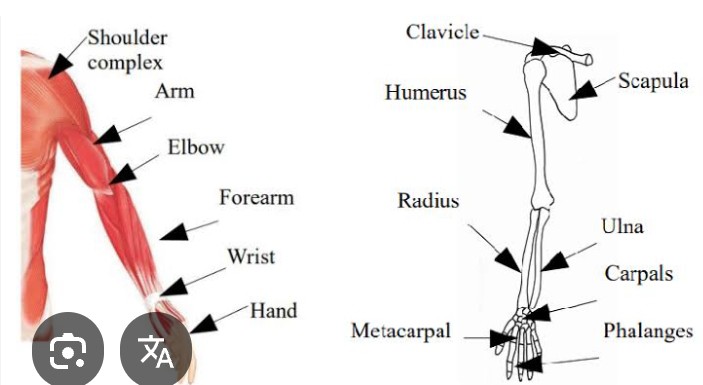
Following are the mentioned Essential Components -MRP of Upper Limb:
1.SITTING UP FROM SUPINE:
Rolling over to and sitting up from the intact side in the early stages of stroke,is given minimum period for practice.
Description of Normal function:
Essential components of Rolling:
Onto the side
Neck flexion and rotation
Shoulder flexion and protraction
Trunk rotation
Hip and knee flexion
Other components: posterior hip shifting; foot pushing on the bed
Essential components of Sitting:
Up over the side of the bed
Lateral neck flexion
Lateral trunk flexion
Lowering of the legs over the side of the bed
Other component: Shoulder abduction of the lower arm
Common compensatory responses:
Forward neck flexion and rotation
Pulling self over using the intact hand; wriggling
Hooking of the intact leg under the affected leg to dangle over the side of the bed
Specific techniques
To stimulate shoulder girdle protraction for rolling over
To stimulate hip extension for rolling onto the side
To stimulate lateral neck flexion.
2.BALANCED SITTING:
Appropriate body alignment
Correct adjustments made to changes in body alignment (with shifts in the center of gravity).
BALANCE:
Sitting without using undue muscle activity, to move about in sitting, to move in and out of the sitting position, without arm support.
BALANCE REACTIONS:
Head trunk and limb movement in response to any shift in the center of gravity to maintain balance.
Protective extension only occurs when the center of gravity is moved so far that balance is lost.
Description of Normal Function:
3.ESSENTIAL COMPONENTS OF SITTING ALIGNMENT:
Feet and knees close together
Symmetrical weight-bearing / sitting
Hip flexion with trunk extension
Head balanced on level shoulders
ESSENTIAL COMPONENTS OF BALANCE REACTIONS:
Lateral shift in the center of gravity.
Lateral neck flexion
Lateral trunk flexion (pelvic elevation, shoulder depression)
Backward shift in the center of gravity.
Forward neck and trunk flexion.
WHAT TO DO…
Observe sitting alignment
Sitting on a firm base with feet flat on the floor, knees and feet a few inches apart and hands on the lap.
Test the ability to adjust to self-initiated movement of head, trunk and limbs.
Looking behind, up Grasping an object from the floor.
Lifting the intact leg and foot.
Reaching in various directions
Test the displacement of weight sideways and backward (equilibrium reactions) .
Common Compensatory Responses:
Wide base of support (placement of the feet and / or knees apart)
Voluntary restriction of movement (holding the breath or maintaining a stiff body
posture)
Shuffling of the feet instead of adjusting using appropriate body segments
Leaning forward or backward when the center of gravity shifts sideways
Use of protective support by the upper limbs (grabbing for support, holding arms
out sideways or forward) with minimal shifts in the center of gravity.
SPECIFIC TECHNIQUES :
To Stimulate Adjustments to Shifts in Center of Gravity.
To Stimulate Essential Aspects of Balanced Sitting Alignment.
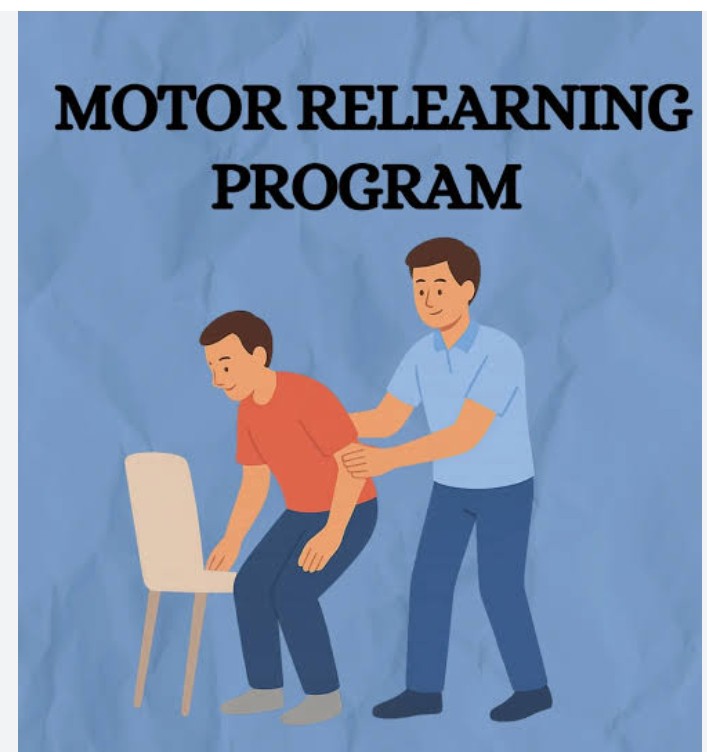
4.STANDING UP AND SITTING DOWN:
Placement of the feet and shifting of the body such that the center of gravity moves forward or backwards
Good sitting balance is not a prerequisite to standing up; the patient, however, needs good sitting alignment.
 PHYSIOHEALER.