First of all,Physiotherapist should do examination,take
Medical History and do Physical Examination to screen out.
After discussing your symptoms and medical history,physical therapist will perform a physical examination,it may include the following tests:
1.Neurological Examination:
A neurological examination will help physiotherapist to determine if you have any muscle weakness or loss of sensation.During the exam,he will:
1.Check muscle strength in your lower leg by assessing how you walk on both your heels and toes.Muscle strength in other parts of your body may also be tested.
2.Detect loss of sensation by checking whether you can feel a light touch on your leg and foot.
3.Test your reflexes at the knee and ankle, sometimes be absent if there is a compressed nerve root in your spine.
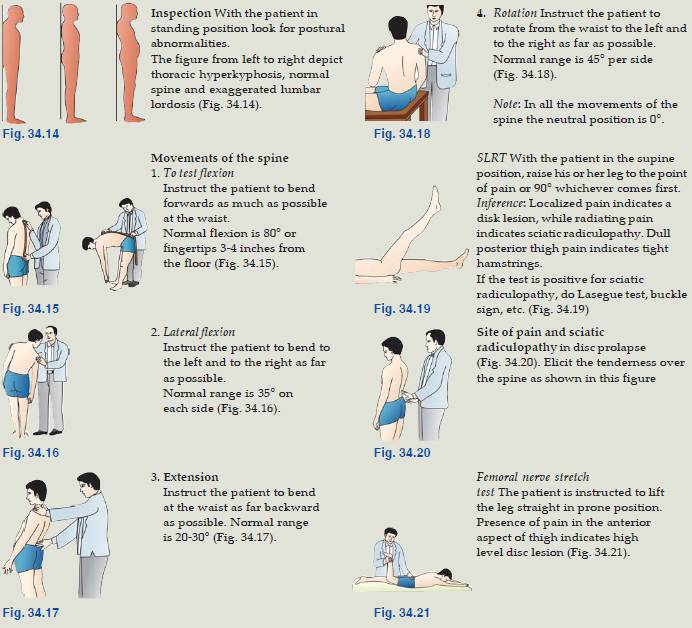
*Straight Leg Raise (SLR)Test:
This test is a very accurate predictor of a disk herniation in patients,during the test, you lie on your back and your doctor carefully lifts your affected leg,knee stays straight.If you feel pain down your leg and below the knee,strong indication is that you have a herniated disk.
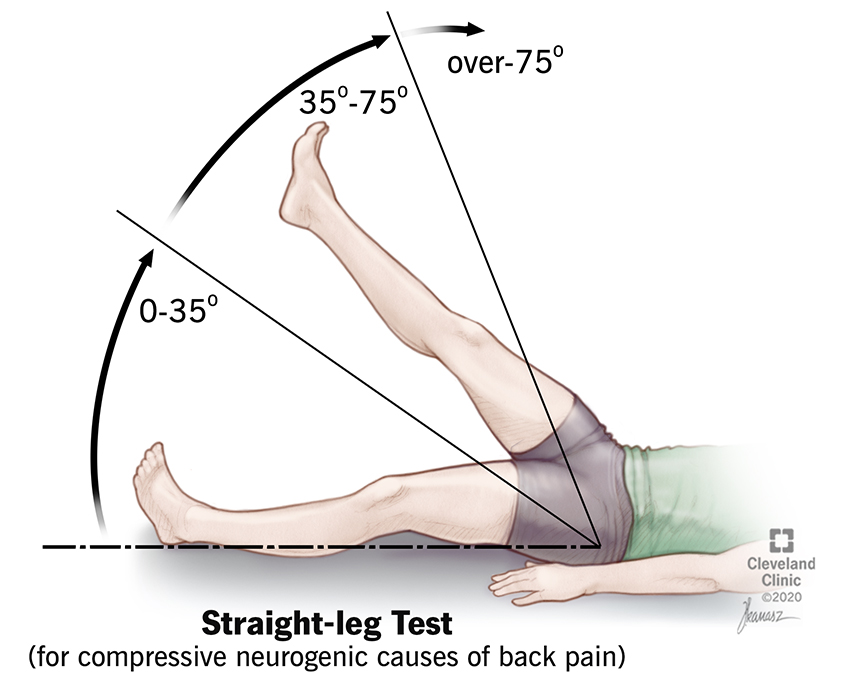
Original Credit:Google.com
YOGA FOR LOW BACK PAIN:
Gentle movement exercises may help such as lying on the back,bending both knees and gently rotating them together to each side, without pushing in to pain.
*Start with 5 to 10 reps.
*Gentle yoga may be helpful once the acute symptoms improve.
*Yoga has other benefits as well. Yoga can help with focus, relaxation, and balance.
*Pilates is a very helpful form of exercise for increasing control and strength in the lower back muscles,it engages core muscles and increase strength,as with yoga,in pilates,start slow and work up to increase difficulty levels.
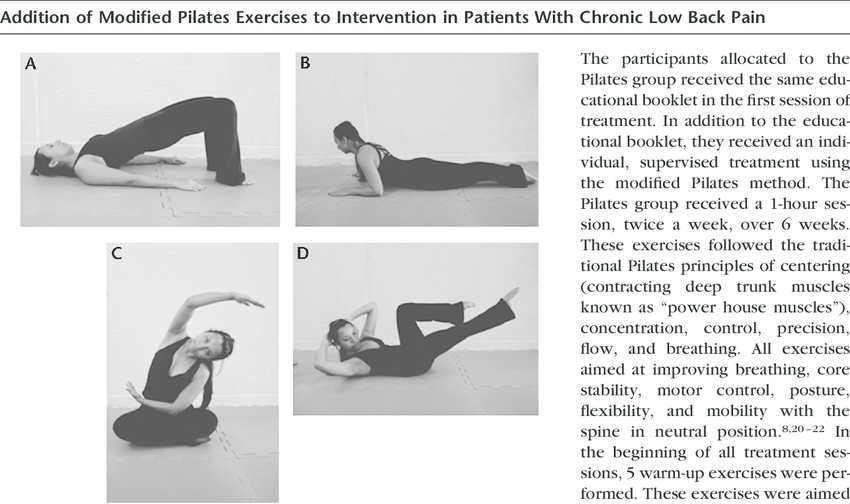
Original Credit:Google.com
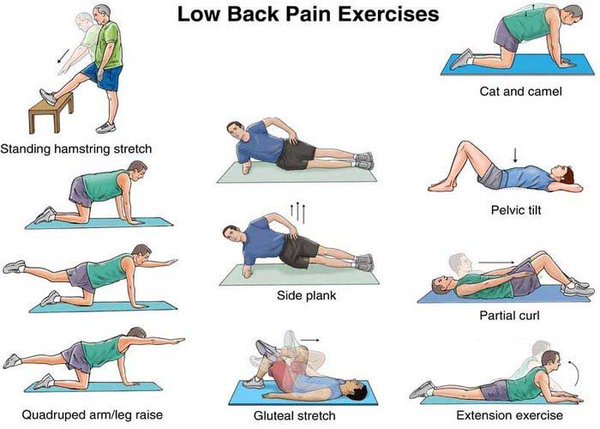
Original Credit:Google.com
 PHYSIOHEALER.