First of all, symptoms of Achilles tendon will be discussed and then screening out examination and tests to rule out signs and symptoms of Achilles tendon is discussed :
Symptoms of Injury:
Common symptoms of tendon injuries include:
1.Pain down the back of your leg or near your heel.
2.Pain that gets worse when you’re active
A stiff, sore Achilles tendon when you first get up.
3.Pain in the tendon the day after exercising
Swelling with pain that gets worse as you’re active during the day
4.Thickening of your tendon
5.Bone spurs on the heel bone
6.Difficulty flexing the affected foot
7.A “pop” sound and sudden sharp pain, which can mean a ruptured tendon.
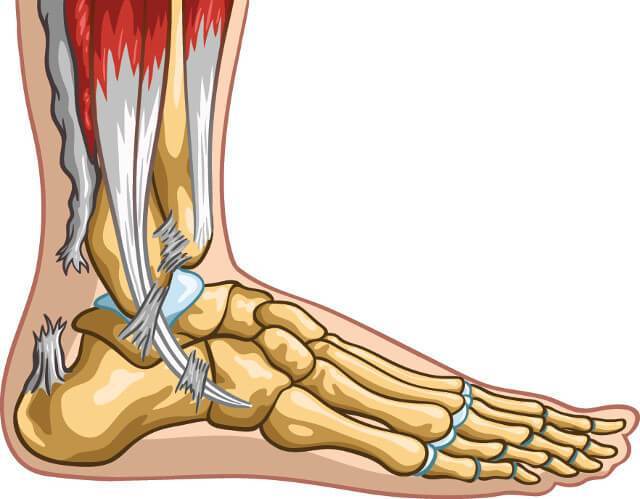
Physical Examination:
To look for Achilles tendon problems, an examiner checks for pain, swelling, warmth, thickening, or discoloration around the heel and leg. A knot on the back of the leg may be present with Achilles tendon rupture. Most cases of tendinopathy without a rupture can be diagnosed by physical exam and often do not need further testing.
Radiographic Findings:
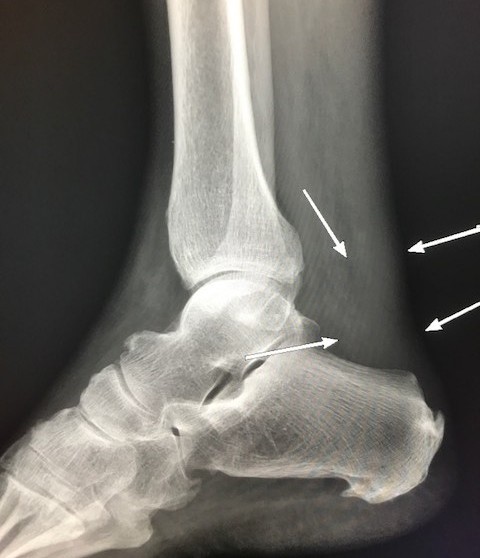
Following are the methods for screening out findings:
So, Radiographic Findings are following:
1.MRI (Magnetic Resonance Imaging)
2.Achilles Tendon Rupture Ultrasound
3.CT (Computed Tomography)
4.X-ray Film.
1.Magnetic Resonance Imaging (MRI scan):
An MRI scanner uses a high-powered magnet and a computer to create highly detailed images of the ankle and leg. An MRI scan is the best test to diagnose an Achilles tendon rupture or other problems but it may not always detect tendinopathy.
2.Achilles Tendon Ultrasound:
A probe on the skin reflects high-frequency sound waves off the ankle, producing images of the Achilles tendon. Ultrasound can often diagnose an Achilles tendon rupture.
3.Computed Tomography (CT scan):
A CT scanner takes multiple X-rays, and a computer constructs detailed images of the ankle and leg. An MRI scan is superior to a CT scan in diagnosing Achilles tendon problems.
4.X-ray Film:
A plain X-ray film may identify problems with the bones or ankle joint, but it cannot diagnose Achilles tendon problems.
Tests For Achilles Tendon:
Now,tests to screen out negative or positive findings will be discussed:
Two Tests are performed for Achilles tendon rupture :
1 Thompson Test
2.Matles Test
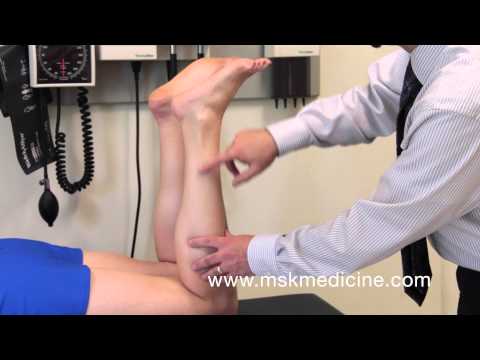
1.Thompson Test:
Position:Lying prone (on one’s stomach) or while kneeling on a chair.
Practical:The examiner squeezes the calf. The end of the foot should move down in response; if it does not, an Achilles tendon rupture may be present.
2.Knee flexion (Matles) test:
Position:A person lies face down.
Practical: The examiner bends the knee slowly to a right angle. During this movement, the toe end of the foot should point away from the leg slightly; if it doesn’t, an Achilles tendon rupture may be present.
 PHYSIOHEALER.